


 Latinoamérica
 Europa
Digitization in the ruminant sector: a key opportunity to promote generational renewal


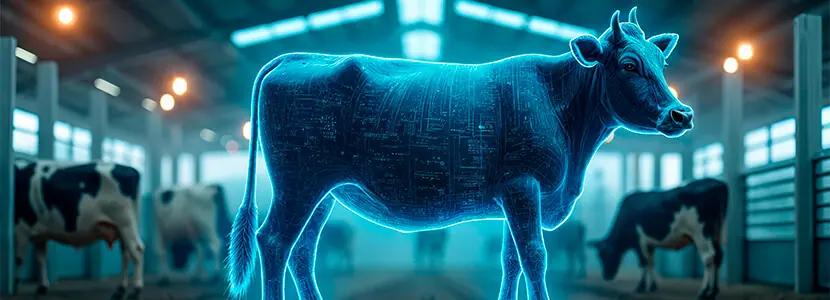






| In recent years, digitalization has established itself as a strategic pillar for the modernization of the agricultural and livestock sector. |
In the field of ruminants —cattle, sheep, and goats—, this digital transformation not only responds to regulatory imperatives but also represents an opportunity to optimize health management, improve productive performance, and increase farm profitability.
 By enabling more efficient and automated management, digitalization helps free up time in the farmer’s daily routine, which favors the reconciliation of work and family life in a traditionally demanding and inflexible profession.
 This factor is key to making livestock farming more attractive to new generations and promoting generational renewal in rural areas. This factor is key to making livestock farming more attractive to new generations and promoting generational renewal in rural areas. |
REGULATORY CONTEXT: TOWARDS MANDATORY ELECTRONIC TRACEABILITY
The regulatory push towards digitalization is based on the Regulation (EU) 2016/429 of the European Parliament and of the Council, of March 9, 2016, on transmissible animal diseases, also known as the “Animal Health Law.”
ACCESS REGULATION (EU) 2016/429
 This regulation establishes that it is the responsibility of Member States to develop effective systems for the identification and registration of terrestrial animals in captivity, as an essential part of the prevention, control, and eradication of diseases.
In this framework, the Government of Spain approved Royal Decree 787/2023, published in BOE nº 263 of November 3, 2023, which regulates the system of traceability, identification, and registration of animals.
 One of the main novelties of the Royal Decree is the mandatory electronic identification of cattle from July 1, 2025. From that date, all cattle born must be electronically identified, which will allow for more precise and efficient management of individual animal information.
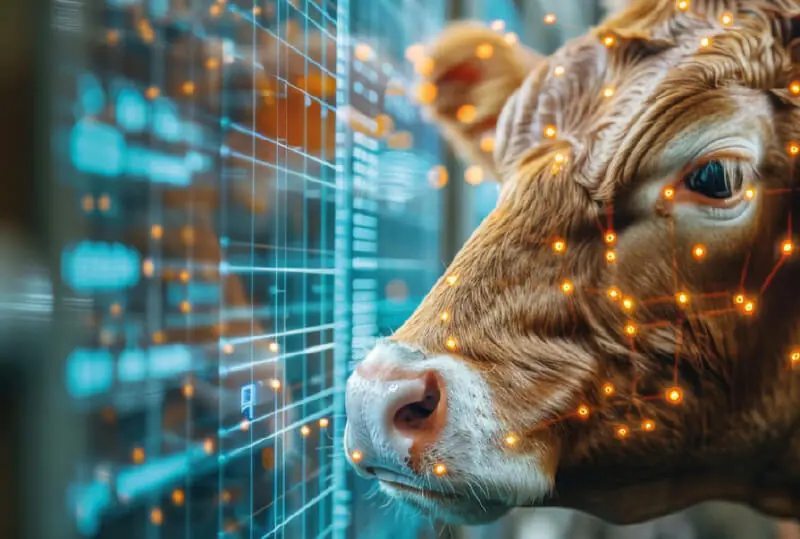
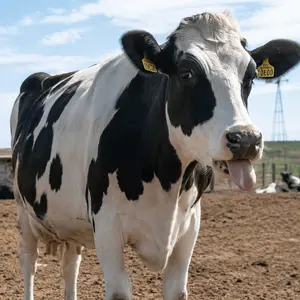
The new electronic identification specifically consists of placing an electronic ear tag on the left ear and a conventional ear tag on the right ear, both with a unified code that includes specific information such as:
 The country
The species
The autonomous community
An individual number of the animal
| Exceptions have been established for certain extensive or semi-extensive farms, located in areas of difficult access, where, at the request of the owner and with authorization from the competent authority, a ruminal bolus as a means of electronic identification may also be used. |
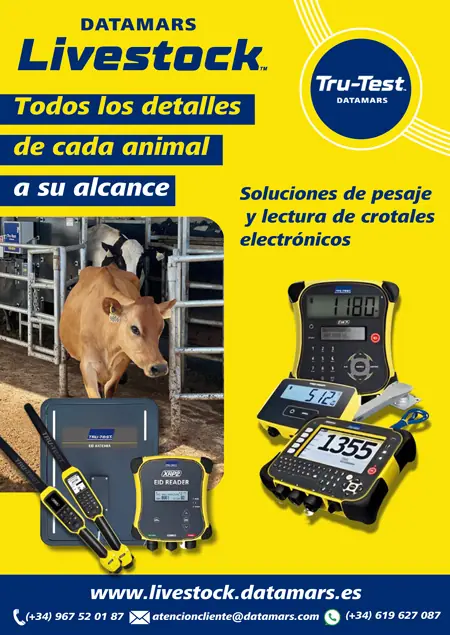
 The implementation of electronic devices (ruminal boluses, RFID ear tags, etc.), along with digital platforms that integrate this data, allows:
 Automate processes.
Reduce human errors.
Provide a real-time traceability system.

BEYOND THE STANDARD: AN OPPORTUNITY TO DIGITALIZE THE FARM
Although the new regulations imply a mandatory change, the livestock sector has an opportunity to go beyond mere legal compliance and move towards a comprehensive digital management of the farm.
Electronic identification can be the starting point for:
 Automate key processes.
Improve health control.
Increase production efficiency.
Facilitate data-driven decision making.
The digitalization of farms allows the incorporation of technologies that provide added value in various key areas:
 Real-time alerts and monitoring
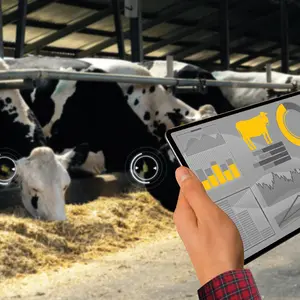
Through sensors and connected platforms, it is possible to receive notifications on the mobile phone about relevant events: calving, immobilities, weight loss, abnormal behaviors, or clinical signs of disease.
 This allows for early disease detection, especially useful in extensive systems where individual management is more complex.
Improved identification and traceability
Electronic identification facilitates the individualized tracking of each animal, its health, genetic, and productive history.
This improves health control, speeds up sanitation campaigns, and allows for the rapid detection of positive or suspected animals.
Automatic weighing and performance control
The use of connected automatic scales allows for continuous recording of animal weights without manual intervention, generating growth curves and detecting animals with suboptimal fattening rates.
This facilitates decision-making regarding feeding, treatments, or the optimal time for sale.
Genetic selection and reproduction
The analysis of historical and genetic data facilitates the selection of the best breeders, optimizing the genetic improvement of the herd and increasing profitability.
Comprehensive farm management
Digital platforms allow for the integration and analysis of health, reproductive, nutritional, and economic data.
Performance can be measured at both individual and group levels, health campaigns can be planned, feed stock can be managed, or treatments can be recorded, improving the technical and economic efficiency of the farm.

DIRECT BENEFITS: EFFICIENCY, PROFITABILITY, AND QUALITY OF LIFE
Adopting digital solutions not only improves traceability and animal health, but also provides tangible benefits in three main areas:
1 Greater efficiency: automating processes allows for resource optimization, error reduction, and improved planning.
2 Increase in profitability: making data-driven decisions improves productive and reproductive indices, reduces costs, and allows for better commercial management (selling at the optimal time).
3 Improvement of the farmer’s quality of life: digitalization reduces the manual workload, facilitates daily organization, and improves the ability to respond to unforeseen events.
 The digitalization in the ruminants sector represents a strategic tool to face current and future health, productive, and economic challenges. Far from being a mere regulatory obligation, the mandatory electronic identification of cattle opens the door to a profound transformation of the livestock management model. The digitalization in the ruminants sector represents a strategic tool to face current and future health, productive, and economic challenges. Far from being a mere regulatory obligation, the mandatory electronic identification of cattle opens the door to a profound transformation of the livestock management model. |
Betting on digitalization means moving towards a more efficient, sustainable, and professionalized production system, where data becomes the best ally of the veterinarian and the farmer.
 By facilitating task automation and more agile decision-making, digitalization helps improve the work-life balance in rural areas, which strengthens the social viability of livestock activity and acts as an incentive for the much-needed generational renewal.