


 Latinoamérica
 Europa
Feeding and Nutritional Strategies to Address Heat Stress in Dairy Cattle








| Heat stress is not just a seasonal challenge due to climate change, it is one of the most critical limiting factors for animal productivity and health on dairy and beef cattle farms. |
When the ambient temperature exceeds the thermal comfort zone, animals activate thermoregulatory mechanisms that prioritize survival over milk or meat production.
This biological response triggers a domino effect, with effects such as:
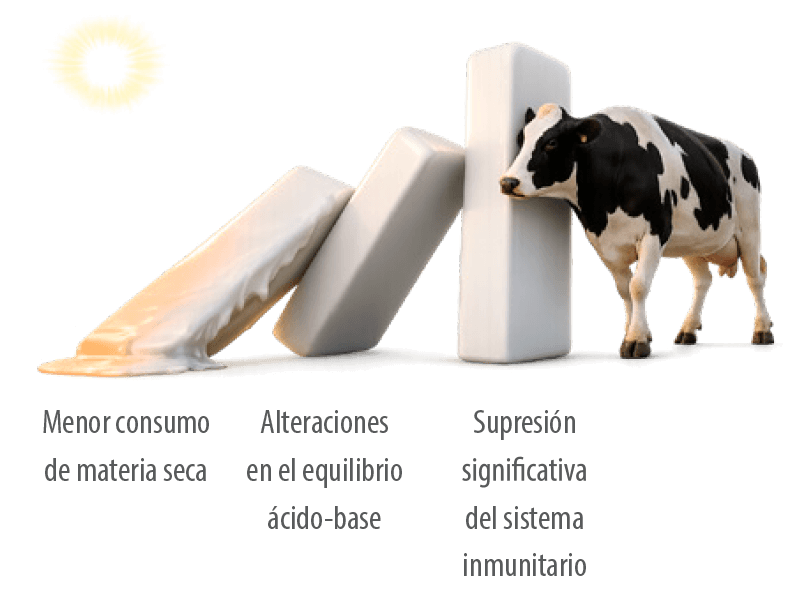
WHEN HEAT OVERWHELMS THE ANIMAL: WHAT IS HEAT STRESS?
Heat stress, or thermal stress, is a set of physiological and behavioral alterations caused by high temperatures and humidity, which exceed the animal’s ability to dissipate heat. As a consequence, the following occurs:
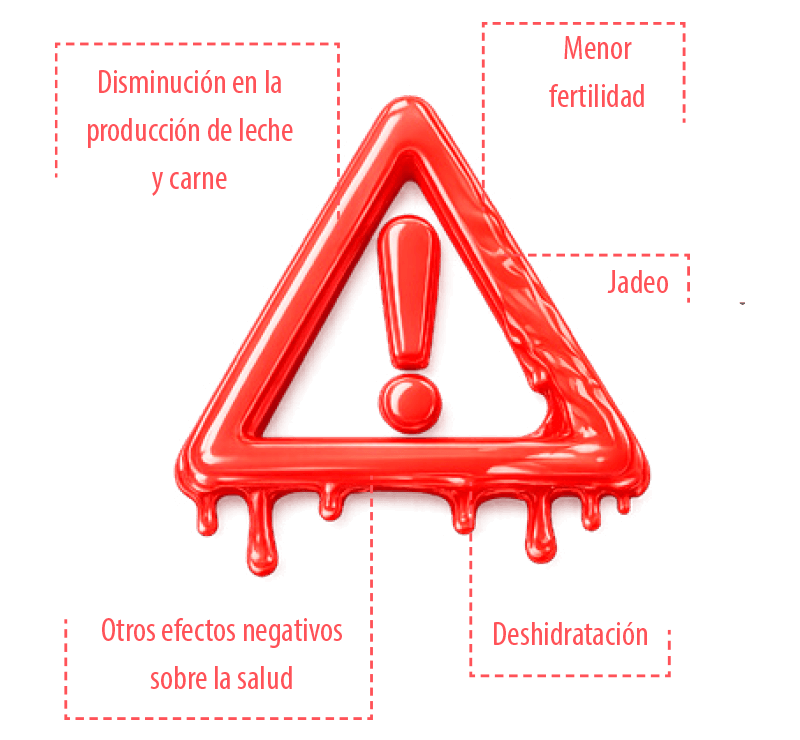
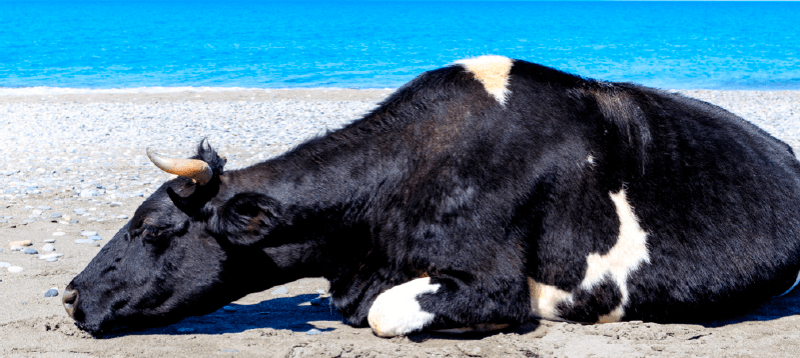
 In short, these are the adverse effects that appear at the productive, reproductive, and health levels when the ambient temperature exceeds the animal’s thermoregulatory capacity, preventing it from adequately dissipating the metabolic heat generated. In short, these are the adverse effects that appear at the productive, reproductive, and health levels when the ambient temperature exceeds the animal’s thermoregulatory capacity, preventing it from adequately dissipating the metabolic heat generated. |

MEASURE THE HEAT TO BE ABLE TO ACT: HOW IS HEAT STRESS EVALUATED?
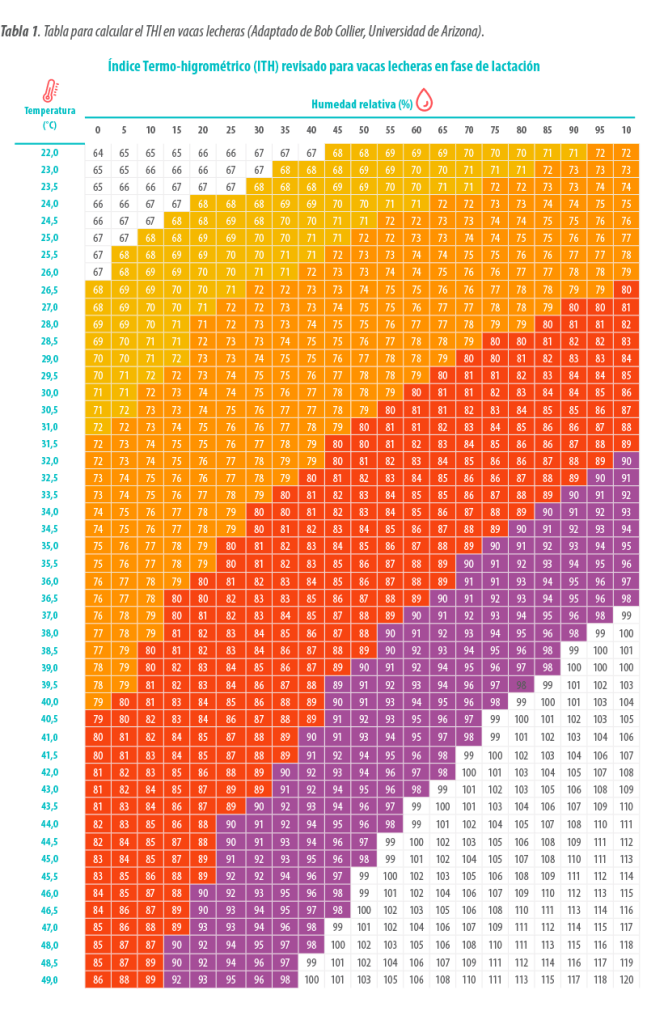
The most commonly used indicator to measure heat stress is the temperature-humidity index (THI) (Table 1), which allows estimating the degree of thermal stress by combining environmental temperature and relative humidity.
 The THI is used to assess the intensity of thermal stress in cows and, when it is high, the animals have difficulty dissipating heat efficiently.
The increase in core body temperature reduces feed intake, which results in:
 Lower milk production
Decrease in its components
Deterioration of reproductive performance
 Therefore, the first step to address this problem is to manage the herd and facilities to minimize the negative impact of a moderate or high THI.
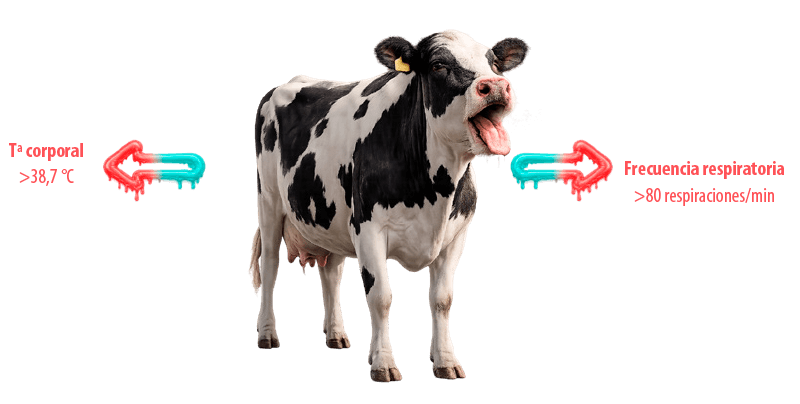
 Other important indicators of heat stress are body temperature (>38.7 °C) and respiratory rate (>80 breaths/min), the latter being an excellent predictor of heat stress in dairy cows.

WHEN HEAT DISRUPTS EVERYTHING: ANIMAL RESPONSES TO HEAT STRESS
The physiological processes triggered by heat stress in dairy cows involve alterations in energy metabolism and disruption of the hypothalamic-pituitary-endocrine axis, which regulates key functions such as stress response and lactation.
 These changes can affect the ability of the mammary gland to utilize nutrients and produce milk. These changes can affect the ability of the mammary gland to utilize nutrients and produce milk.
|
 Milk production and its components are closely related, with the latter being more sensitive to heat stress than the total volume produced.
The effects of heat stress are not limited to production…
 The warm and humid conditions associated with heat stress promote the proliferation of environmental pathogens, increasing the risk of infections such as mastitis in dairy cows. Moreover, this context compromises animal welfare and contributes to greater economic losses.
 From this moment, the organism activates a series of physiological and metabolic responses to dissipate heat which, although necessary to maintain homeothermy, have direct consequences on intake, metabolism, health, and the productive performance of the animal: From this moment, the organism activates a series of physiological and metabolic responses to dissipate heat which, although necessary to maintain homeothermy, have direct consequences on intake, metabolism, health, and the productive performance of the animal: |
 1. Reduction of dry matter intake
The rumen acts as a fermentation vat in which the ruminal microbiota degrades the feed and, in that process, besides nutrients for the cow, heat is generated.
Under thermal stress conditions, the animal reduces its intake in order to decrease its body temperature, which directly impacts its energy balance
2. Increased energy expenditure to dissipate heat
When a cow is exposed to heat stress, it allocates a considerable part of its metabolic energy to maintaining homeothermy through mechanisms such as:
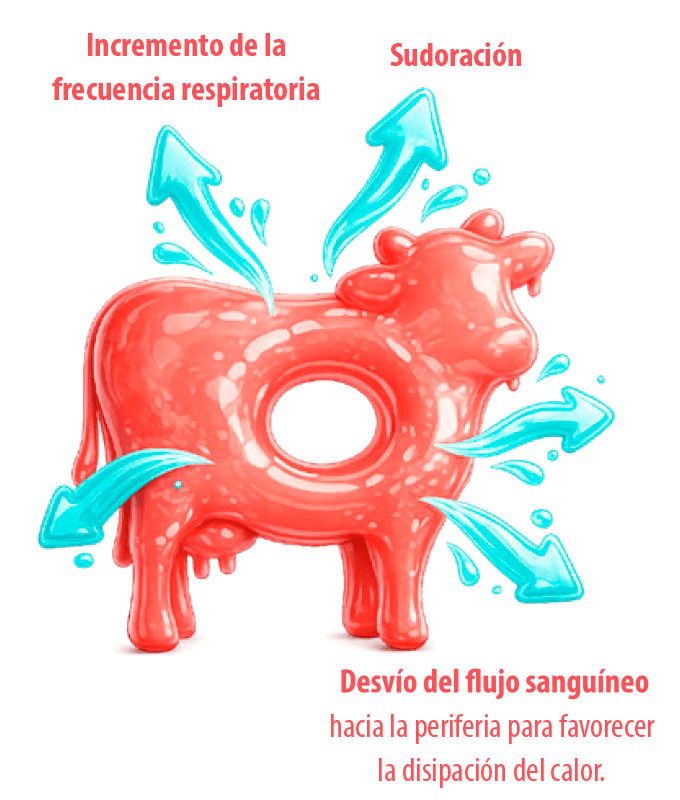
 This thermoregulatory effort can represent 20-30% of the animal’s total energy expenditure during episodes of intense heat, reducing the energy available for productive functions such as milk synthesis or reproduction. This thermoregulatory effort can represent 20-30% of the animal’s total energy expenditure during episodes of intense heat, reducing the energy available for productive functions such as milk synthesis or reproduction. |
3. Reduction of intestinal blood flow and inflammatory response
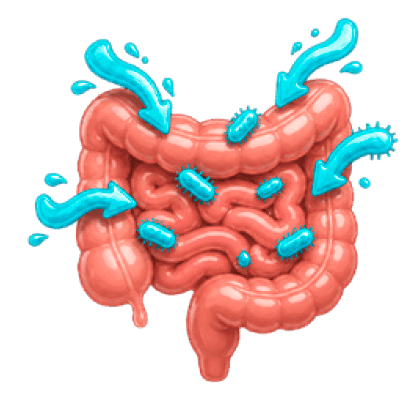
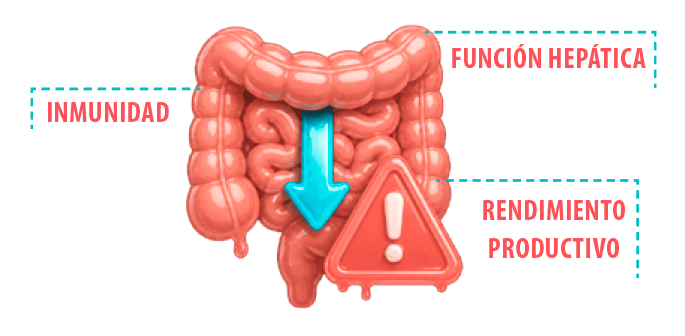
In the face of heat stress, the body prioritizes heat dissipation by redirecting blood flow from internal organs to the skin and extremities, reducing the blood supply to the gastrointestinal tract and compromising the integrity of the intestinal mucosa.
| This phenomenon increases intestinal permeability, allowing endotoxins and other pathogens to enter the bloodstream.
The presence of these substances triggers a systemic inflammatory response that worsens the animal’s condition and can negatively affect:
|
4. Potassium loss and electrolyte imbalance
During episodes of heat stress, increased sweating and hyperventilation promote the loss of essential electrolytes, especially potassium, through saliva, urine, and sweat.
This mineral is key for vital functions such as muscle contraction, rumen motility, and acid-base balance, and a decrease in its levels can lead to hypokalemia.
Electrolyte imbalance also compromises the stress response capacity and can aggravate metabolic disorders such as acidosis.
| 5. Decreased Immunity
Heat stress acts as a stressor that stimulates the release of cortisol, a hormone that, in elevated and sustained levels, suppresses the immune response.
|
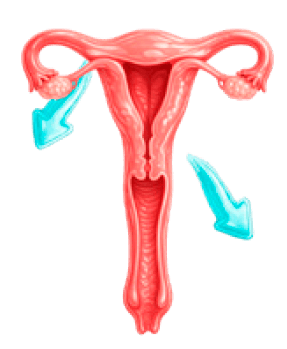
| 6. Impact on reproduction
Heat stress alters the hormonal balance necessary for reproductive function.
It decreases the secretion of key hormones such as LH and estradiol, which affects ovulation and follicle quality.
It reduces the oestrus detection rate, increases the number of services per conception and raises the risk of early embryonic losses. |

7. Behavioral Changes
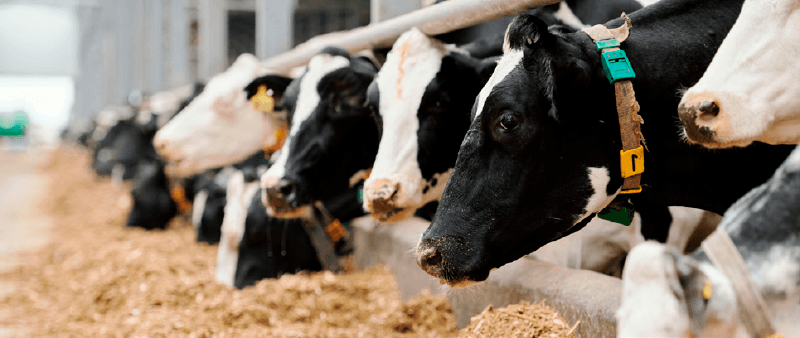
Cows under heat stress modify their behavior to minimize heat accumulation.
A reduction in physical activity is observed, less time spent resting and ruminating, and an increase in the time they remain standing, as this posture facilitates the dissipation of body heat.
They tend to congregate in the cooler or more ventilated areas of the barn, which can lead to localized overcrowding, increasing the risk of injuries, health problems, and competition for food or water.
 They usually consume most of their feed during the cooler hours of the day and avoid direct exposure to the sun. They usually consume most of their feed during the cooler hours of the day and avoid direct exposure to the sun. |

NUTRITIONAL MANAGEMENT TO COPE WITH HEAT STRESS
Ration concentration
It is necessary to reformulate diets to achieve an adequate nutrient density that meets the recommended requirements for each stage. To do this, different strategies can be considered:
 Increase in concentrate supply
They generate less heat during digestion than forages, but it is not always feasible, since in many cases the proportion of concentrates is already high and an additional increase could promote the onset of acidosis.
Concentration of energy supply in the form of fat
Preferably in inert form, to avoid negative effects on ruminal flora.
 If the fat is not inert, its biohydrogenation in the rumen can generate intermediate molecules that reduce fat production in the mammary gland.
 This strategy should be used in moderation, as it may decrease feed intake. This strategy should be used in moderation, as it may decrease feed intake. |
Improvement of ration digestibility
The inclusion of additives, such as yeasts, allows increased nutrient utilization by providing growth factors for the ruminal microbiota.
Protein in the ration
 The metabolism of proteins generates a considerable amount of heat during digestion, which is especially relevant in situations of heat stress.
Therefore, adjusting its content and degradability becomes a key tool to reduce thermal load and improve the animal’s metabolic efficiency through the following strategies:
| Optimization of nitrogen and ruminal balance
The use of controlled-release nitrogen sources can promote microbial balance in the rumen and improve fiber digestion without increasing the total protein content.
Improvement of protein digestibility
Supply of protected amino acids The supply of protected amino acids (bypass protein) is especially relevant under heat stress conditions.
|
 This helps to reduce the risk of ruminal acidosis and the energy expenditure associated with the elimination of unutilized nitrogen.
 When the protein degradation profile is not accompanied by an adequate carbohydrate degradation profile, the excess ammonia generates an increase in blood urea, which implies high energy consumption.
 It is recommended to reduce the use of poorly digestible proteins and opt for more digestible sources to minimize heat production during fermentation.
Fiber
Fiber plays a key role in the nutrition of ruminants, but its management becomes especially important under heat stress conditions.
 Since its fermentation in the rumen generates a high heat production, it is necessary to adjust its quantity and quality to reduce the thermal load without compromising rumen health or animal welfare.
In this context, the following strategies are proposed:
|
|
|
|
Starches
Under thermal stress conditions, it is essential to avoid an excess of starch, as it can promote the occurrence of subacute ruminal acidosis.
 An appropriate strategy is to combine cereals with different fermentation rates and work with levels of 20–25% of the dry matter.
Fats
The inclusion of fats is a recommended strategy to compensate for the reduction of starch and increase the energy density of the diet. However, the total lipid content should not exceed 5–7%.
In situations of intake depression associated with heat, fats allow increasing the energy supply and maintaining production. Additionally, they generate less heat during digestion than carbohydrates and fiber.
| The use of protected fats allows increasing energy density without affecting rumen function. |
Live yeasts
Active yeasts help to stabilize rumen pH by promoting the development of lactate-consuming bacteria, also improving fiber digestion and stimulating microbial activity, even under thermal stress conditions.
 As a result, they contribute to improving intake and feed efficiency.
| Various studies show that supplementation with live yeasts reduces the rumen redox potential, favoring fiber digestion and anaerobic bacterial activity, even under heat stress conditions. |
| Antioxidants and redox balance
Thermal stress increases the production of free radicals and promotes the occurrence of oxidative stress, compromising health, immunity, and productive performance of the animals.
|
 In this context, supplementation with antioxidants and maintaining redox balance become key tools.
| Antioxidant vitamins
Vitamins C and E help to protect cells against oxidative damage and improve immune response under heat stress conditions. Minerals with antioxidant function Selenium plays a fundamental role in the antioxidant system.
Beta-carotenes Beta-carotenes act as antioxidants and can promote reproductive health, especially in thermal stress situations. |
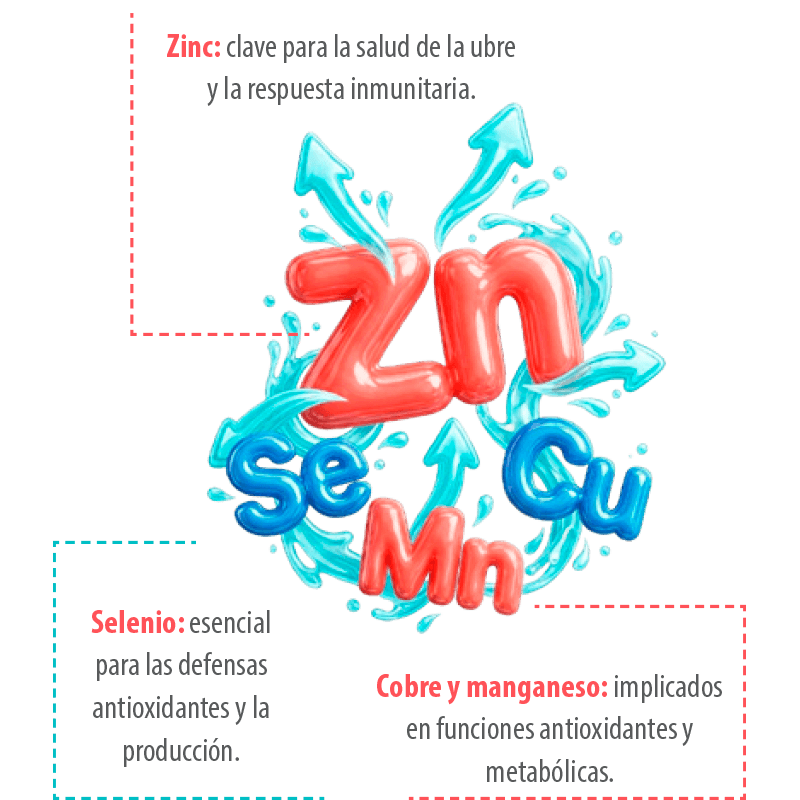
Organic form microminerals
Supplementation with microminerals in organic form is a key strategy to improve immune, antioxidant, and productive response under thermal stress conditions.
Due to lower dry matter intake in summer, these forms have higher bioavailability and intestinal absorption than inorganic sources.
| Electrolyte and mineral balance
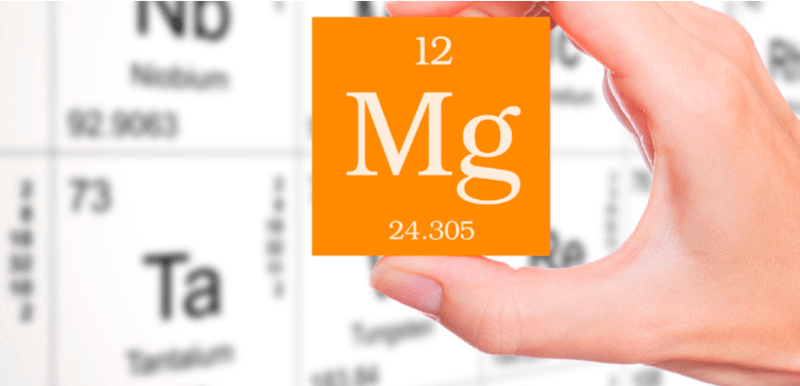
In heat conditions, cattle lose essential minerals, especially sodium and potassium, through sweat and urine.
|

| CONCLUSIONS
Strategies to cope with heat stress must be addressed jointly, as the application of a single measure is insufficient to mitigate its impact. In this regard, nutritional interventions should always be accompanied by management practices aimed at stimulating intake:
|
You may be interested in: Pellet quality in cow feed: factors that make the difference