


 Latinoamérica
 Europa
Fundamentals of Therapeutic Nutrition for Sick Ruminants – Part II








| Therapeutic nutrition in ruminants requires translating pathophysiological knowledge into practical decisions.
In this second part, we address the criteria for determining the need for intervention and the main strategies for its design and clinical implementation. |
| NEED FOR NUTRITIONAL INTERVENTION IN SICK RUMINANTS |
The need for intervention should be established considering:
 The ability to assess the nutritional status of the patient and the need for such intervention.
The possibility of carrying out the entire clinical nutrition intervention while maintaining minimum animal welfare standards and without further compromising the patient’s condition.
The diagnosis, prognosis, and economic value of the animal.
| The volume of the digestive system in ruminants offers a certain buffering effect against the demand for regular intake,
|
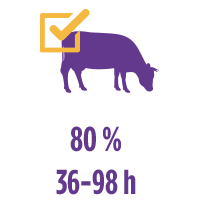 Therefore, adults that voluntarily consume at least 80% of their dietary requirements do not require immediate intervention and can remain without food for 36 to 98 hours.
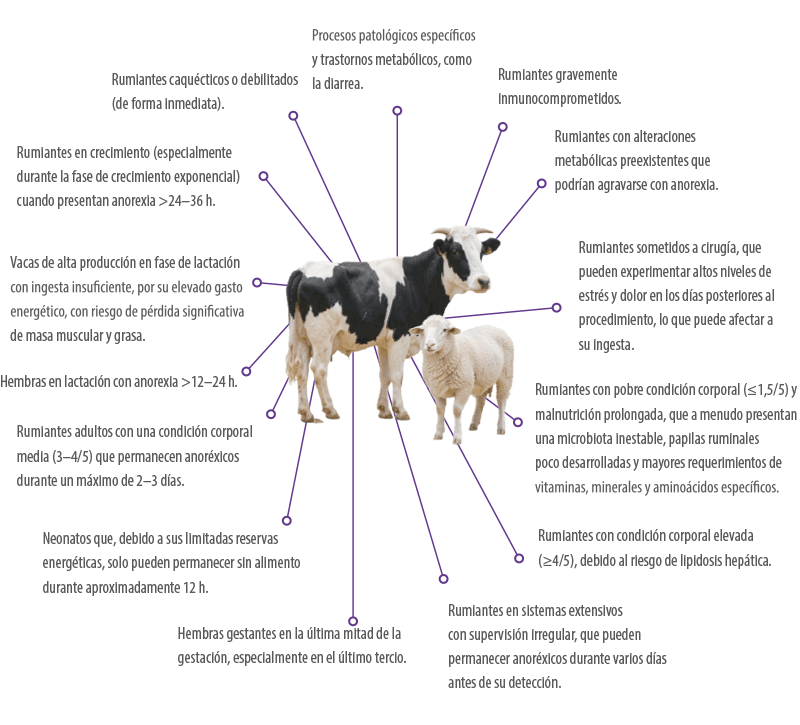
In cases of severe physiological and metabolic changes, therapeutic nutrition may be necessary, for example:

| DESIGN OF A CLINICAL DIET FOR SICK RUMINANTS |
Once the need for a therapeutic nutrition intervention is established, the following aspects should be considered:
 Nutritional requirements.
Age, body condition, and live weight.
Degree of inappetence and duration of anorexia.
Growth rate and activity level.
Locomotion score.
Productive phase and reproductive status.
| Nutritional requirements
The first step in planning a therapeutic nutrition intervention is to calculate the nutritional requirements of the sick ruminant, considering that these will differ from those of a healthy animal. In ruminants, the microorganisms in the rumen play a key role in recovery, so they must be specifically considered in clinical nutrition.
|
Energy requirements
In sick ruminants, the energy requirements are usually close to maintenance, so it is essential to estimate the net maintenance energy (NEm).
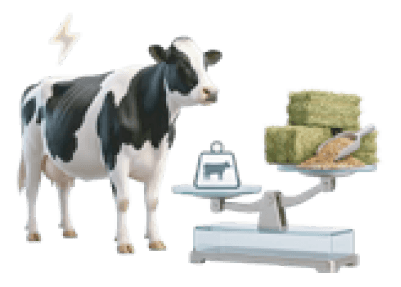 The intake should not exceed 2–3% of the live weight in dry matter per day, always adjusting to the physiological, productive, and reproductive state of the animal (for example, a lactating cow must receive enough energy to sustain milk production).
 The inclusion of fat in the diet, within the limits that allow maintaining rumen functionality (maximum 5–7% of the total dry matter), can increase energy density and facilitate meeting the requirements.
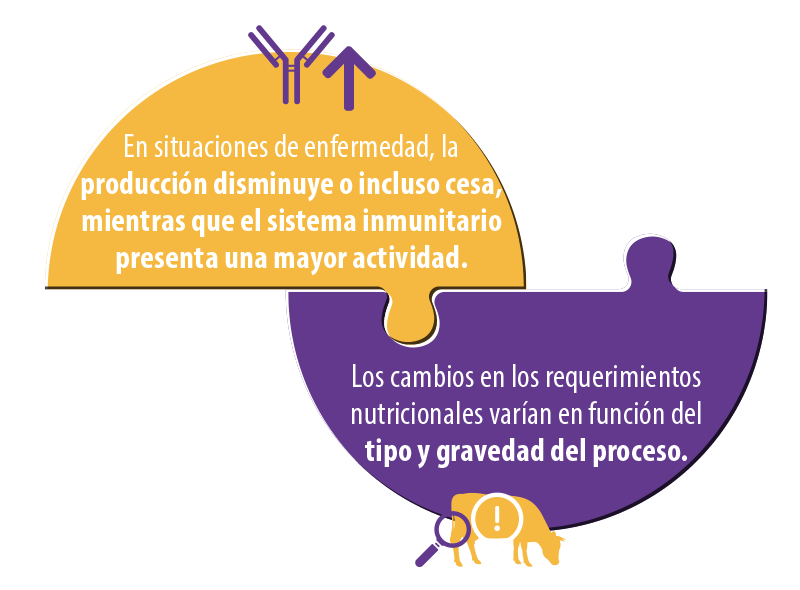
The sick ruminant reduces its needs for growth and production, but increases them due to the immune response.
| In some cases, both effects can compensate each other, maintaining requirements similar to previous ones, although they may be underestimated if absorption decreases or losses increase.
|
 The metabolic rate can increase by 5-13% for each degree of fever.
 After the activation of the immune system, the energy needs of leukocytes can increase between 2 and 3 times per cell.
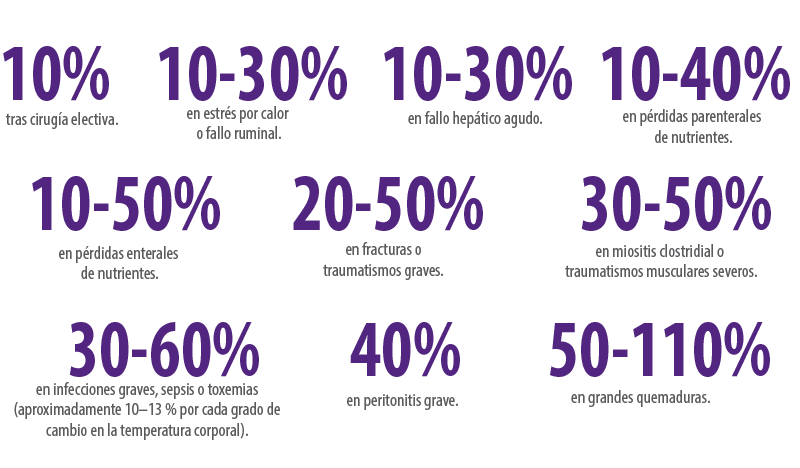
Based on data extrapolated from other species, the following indicative increases on maintenance energy are proposed:
| Protein Requirements
In adult ruminants with normal appetite and without high productive demands, protein requirements are approximately 1-3 g/kg of body weight. In neonates, these requirements are estimated at 2-4 g/kg.
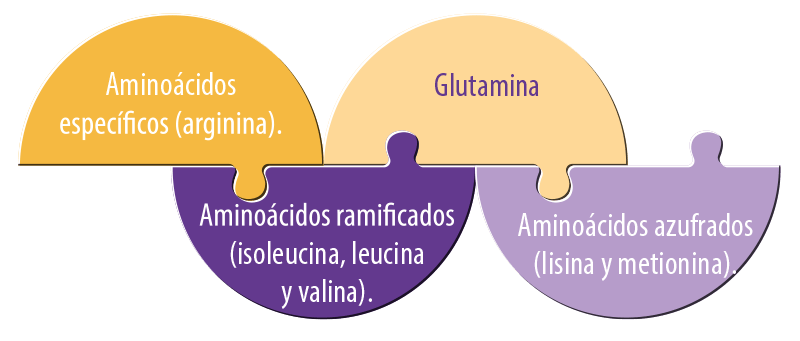
Highly digestible proteins (such as distillery by-products or soybean or rapeseed meals) are recommended, included at levels that do not alter digestive function, considering:
|
Frequency and quantity of feedings
At the start of the intervention, the size of the rations should be adjusted according to the animal’s condition and the severity of the process.
The initiation of feeding should be gradual, and it is not advisable to start by exceeding maintenance requirements, but rather to gradually increase intake over time.
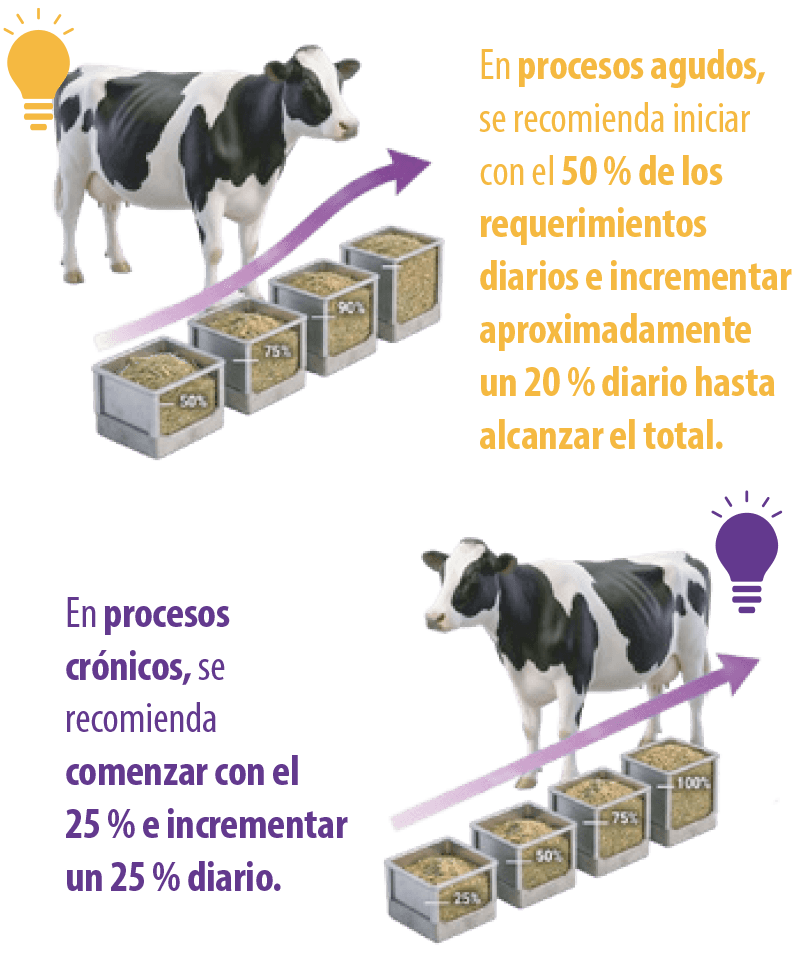 To stimulate intake and avoid overloading the digestive system, it is recommended to distribute feeding into 2–6 daily meals, as starting with high levels may promote the onset of refeeding syndrome.
 Since most of the diet in adult ruminants is forage, there may be a limitation on the amount administered per intake. In liquid diets, each intake should not exceed 1.5 L per 100 kg of live weight. Since most of the diet in adult ruminants is forage, there may be a limitation on the amount administered per intake. In liquid diets, each intake should not exceed 1.5 L per 100 kg of live weight. |
| Drug-nutrient interaction
In sick ruminants receiving pharmacological treatments or supplements, the possible interactions with dietary nutrients should be considered.
|
 These interactions can alter the function, metabolism, and absorption of nutrients and drugs, reducing their effectiveness or causing adverse effects.
 These interactions may be even more relevant in situations of impaired intestinal integrity, such as in animals with ulcers or ruminal dysbiosis, where the use of anti-inflammatories or antimicrobials may require adjustments in nutritional management.

| OPTIONS FOR DIET ADMINISTRATION IN THERAPEUTIC NUTRITION |
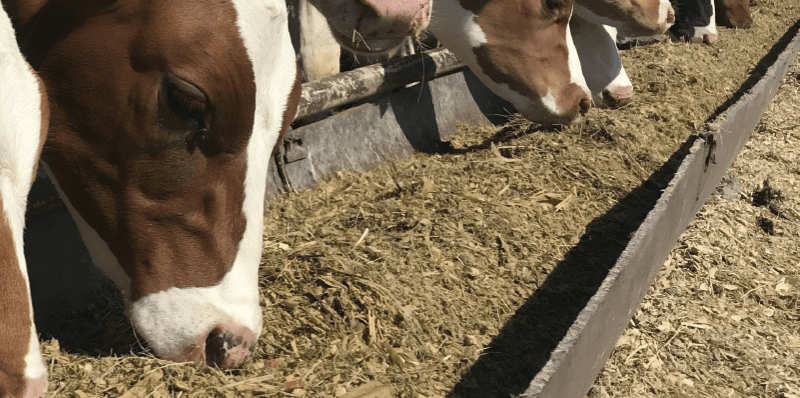
Voluntary intake of the usual diet should be prioritized, incorporating corrective ingredients without altering its acceptance.
| When this is not possible, modifications in diet composition will require adaptation of the ruminal microbiota and the rumen itself, which may delay the desired effect and recovery.
Administration routes can be combined (Table 1). For example, an animal with partially preserved appetite may require the support of an enteral or parenteral route. |
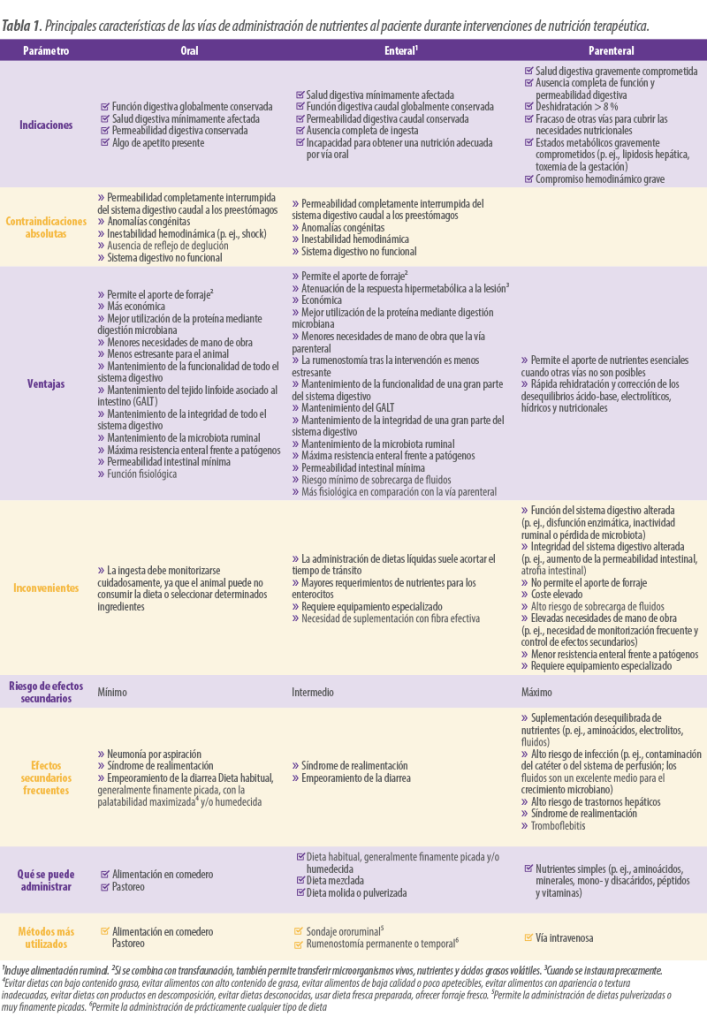
The choice of administration route should be individualized based on various factors:
 Availability of equipment, facilities, and nutrients
Feasibility of applying the intervention
Time constraints
Functionality, health, and integrity of the digestive system
Duration and severity of the process
Type of disease (for example, inappetence or anorexia)
Animal characteristics (such as age) (Figure 1).
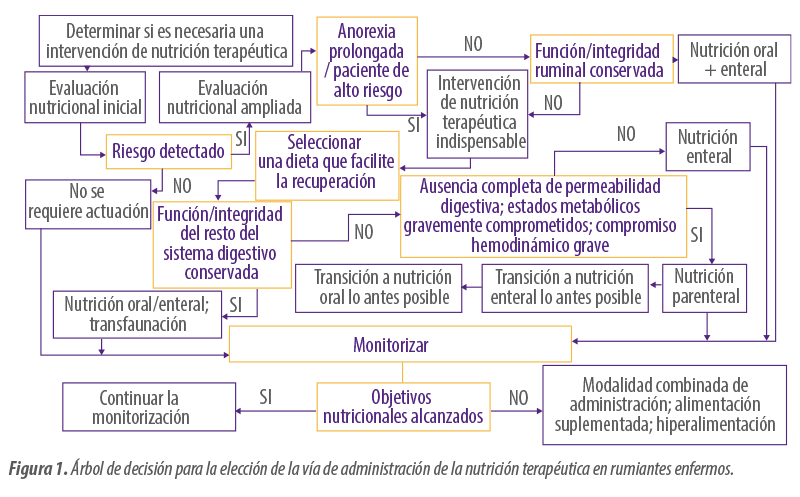
In some cases, especially in neonatal ruminants, it may be necessary to initiate or support nutrition through parenteral route, which should be progressively replaced or complemented with oral or enteral route as soon as possible.
| Although cost is a determining factor in the choice of administration route, changes in the socioeconomic context and the increase in the number of ruminants kept as companion animals may necessitate considering, in certain cases, a more individualized approach. |

Oral nutrition
Forage, especially fresh grass, is usually the best accepted food.
However, many ruminants are fed a significant proportion of non-forage components and, therefore, the general recommendation to provide high-quality forage may not be adequate.
| The ideal diet would be the one to which the animal is accustomed. |
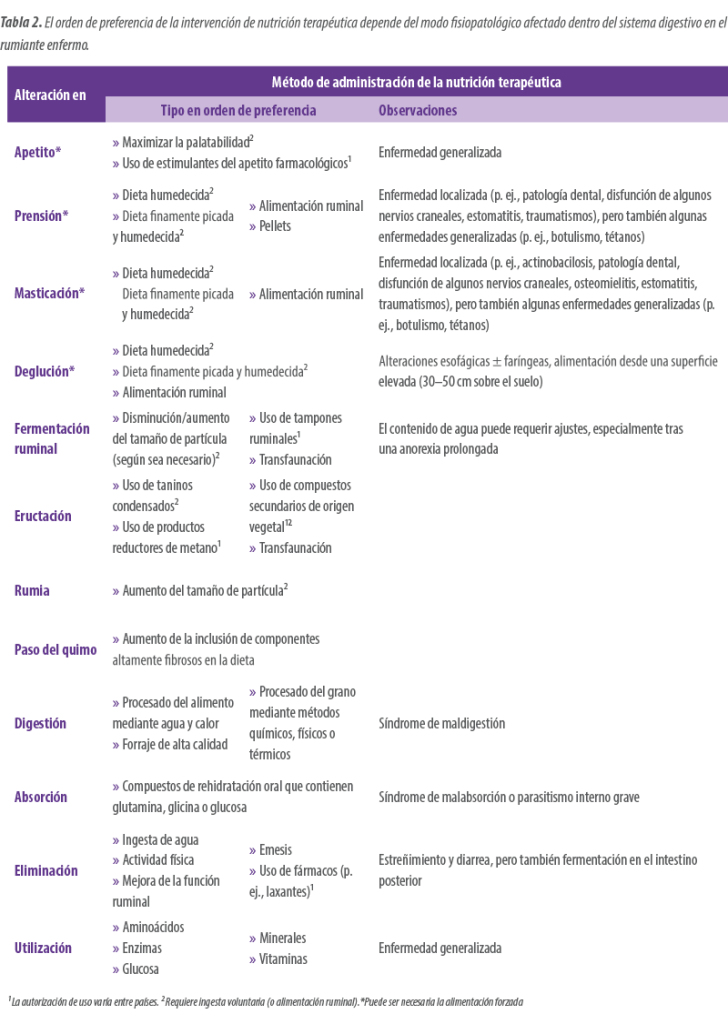
For each type of alteration in the physiology of the ruminant, there are specific dietary strategies that can help maintain voluntary intake (Table 2).
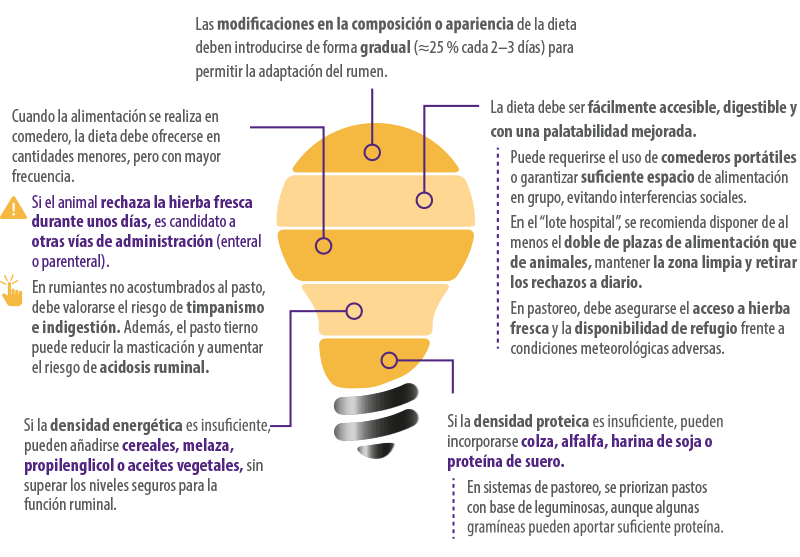
Tips to maximize the palatability and intake of the offered diet
Oral nutrition in the pre-ruminant stage
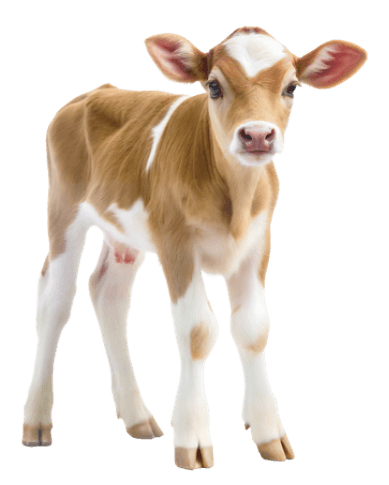
 The active and alert neonatal ruminants, with preserved sucking reflex and at least partial functionality and integrity of the digestive system, should receive mother’s milk, via bottle with teat or bucket, according to their usual nutritional management.
When maternal milk is limited or unavailable, it is recommended to provide milk from another lactating female of the same species throughout the neonatal period.
If milk is not available, it may be necessary to carefully consider the introduction of an appropriate milk replacer.
| Scientific evidence has refuted the need to withdraw milk in calves with diarrhea, and it should not be suspended for more than 12 hours (maximum 24 hours). |
| Oral nutrition in the pre-ruminant stage
The use of bicarbonate is not contraindicated, and solutions with metabolizable anions (such as acetate or lactate) are preferred for improving sodium absorption. |
 When dehydration exists, it should be corrected through
 Enteral nutrition
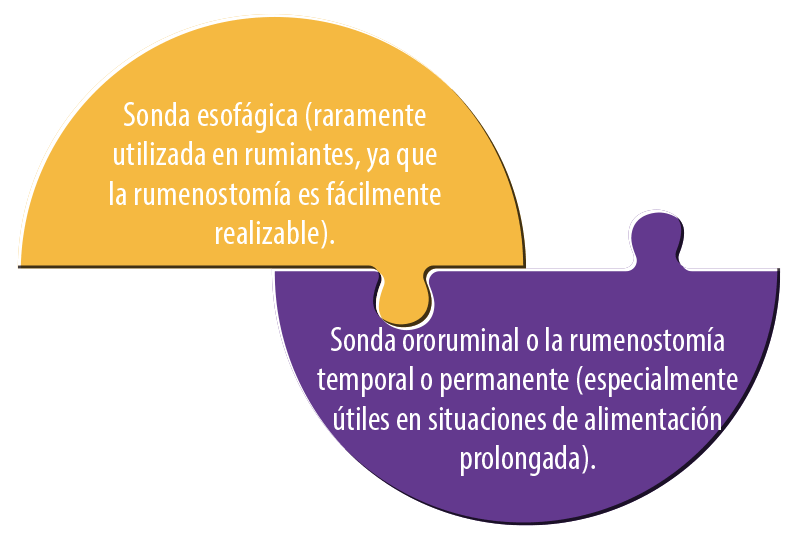
When a sick ruminant is not able to maintain sufficient intake, but retains functional digestion and absorption, enteral feeding (including ruminal feeding) becomes a necessary tool.
 In these cases, the diet should ideally (in order of preference) be presented moistened, finely chopped, or in liquid form
The administration options include:
| Diet preparation
Commercial diets are often expensive and poorly adapted to ruminants. Therefore, in exceptional situations, the administration of elemental nutrients (amino acids, carbohydrates, or peptides) may be considered.
|
 For diet preparation, the animal’s usual ration can be ground and diluted in water to achieve a porridge-like consistency that allows for its administration (approximately 3–5 L of water per kg of diet).
 When the usual diet is not available, ground complete pelleted rations are a practical and economical alternative, although in unaccustomed animals they may increase the risk of digestive disorders, similar to diets rich in concentrates.
 Since the reduction of particle size decreases rumination and saliva production, it may be necessary to use buffers to maintain ruminal pH.
In addition, prolonged fasting alters the ruminal microbiota and promotes the onset of indigestion, so one of the main objectives of enteral nutrition should be the rapid restoration of the function of the forestomachs.
Transfaunation
Transfaunation is an effective strategy to restore the rumen function in animals with digestive disorders, having demonstrated usefulness as a supportive therapy in multiple digestive and metabolic processes, such as anorexia, indigestion, ketosis, or ruminal acidosis.
This procedure transfers microorganisms, nutrients, and volatile fatty acids.
The rumen fluid can be obtained from live animals or at the slaughterhouse and, in most cases, a single transfaunation is usually sufficient.
Enteral nutrition in the pre-ruminant stage
In neonates, the initial intervention should focus on the correction of dehydration, electrolyte imbalances, and metabolic acidosis through the administration of fluids and electrolytes orally and/or parenterally.
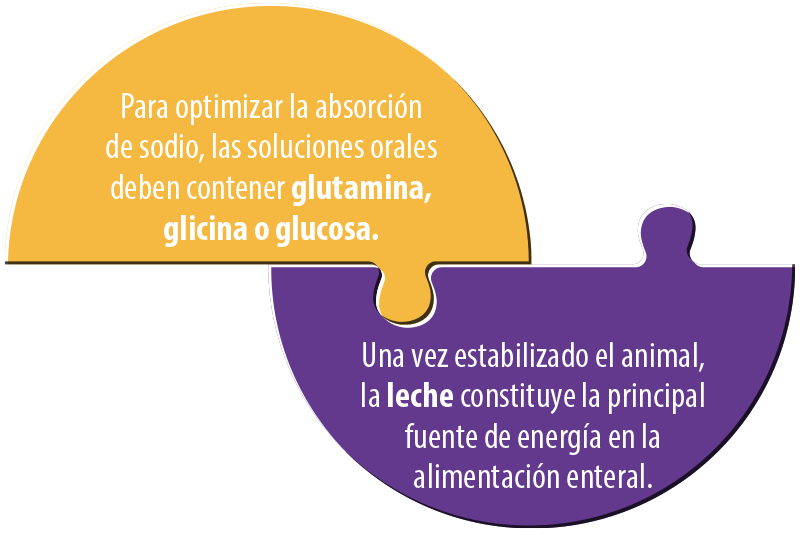
| The goal is to provide at least 10% of body weight in milk per day, divided into several feedings, starting with reduced volumes that are progressively increased.
|
Parenteral Nutrition
When there is dysfunction of the digestive system or inability to digest and absorb nutrients due to prolonged anorexia (0.5–1 days in neonates and >3–4 days in adults), intravenous parenteral nutrition becomes a necessary option, which can be:
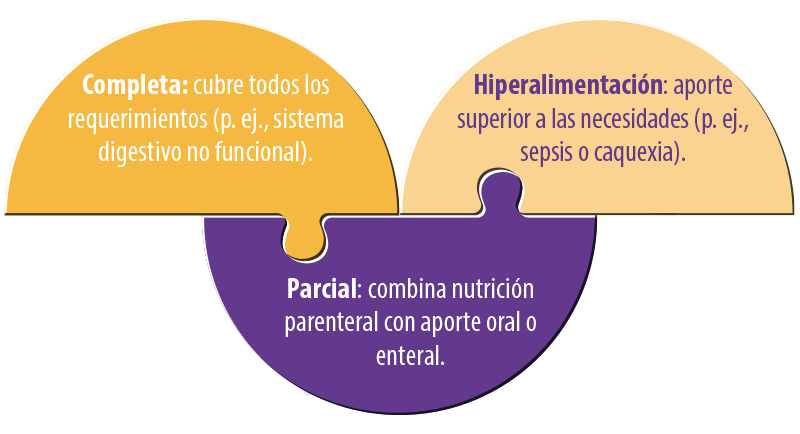
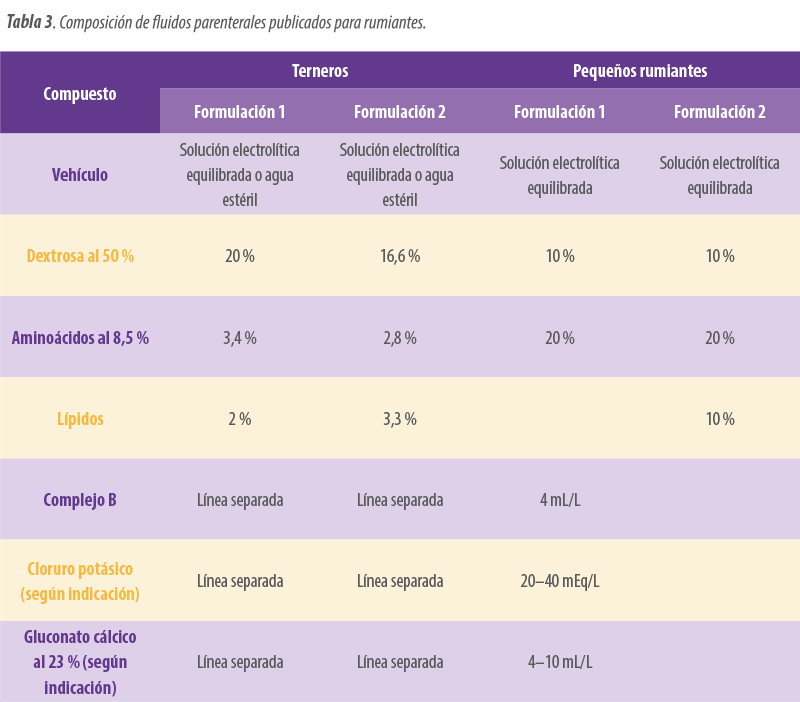
For parenteral nutrition, properly formulated commercial solutions (Table 3) should be used and adequate supportive care should be ensured.
 Parenteral nutrition requires properly formulated solutions (Table 3), administration through a dedicated line and a gradual adjustment of both the infusion rate and composition, to avoid metabolic complications.
Its withdrawal should also be gradual to prevent adverse effects such as rebound hypoglycemia.
| Glucose and lipids act as the main energy sources, avoiding the need to use amino acids as a substrate and promoting tissue repair. The proportion of lipids should be adjusted according to the animal’s condition, especially in the presence of liver disorders. |
| The main risk of parenteral nutrition is sepsis, so handling must be performed under strict aseptic conditions, making close monitoring essential, including:
Frequent review of the catheter insertion site. Daily hematological controls. Evaluation of metabolic parameters such as body weight, electrolyte balance, renal and hepatic function, hydration status, and glucose levels. |
| Possible complications such as lipemia, glucosuria, proteinuria, or refeeding syndrome should be monitored, with particular attention to alterations such as hypokalemia, hypomagnesemia, and hypophosphatemia. |
| PHARMACONUTRITION IN SICK RUMINANTS |
Pharmaconutrition focuses on the use of nutrients in pharmacological doses to modulate immune function and improve clinical outcomes.
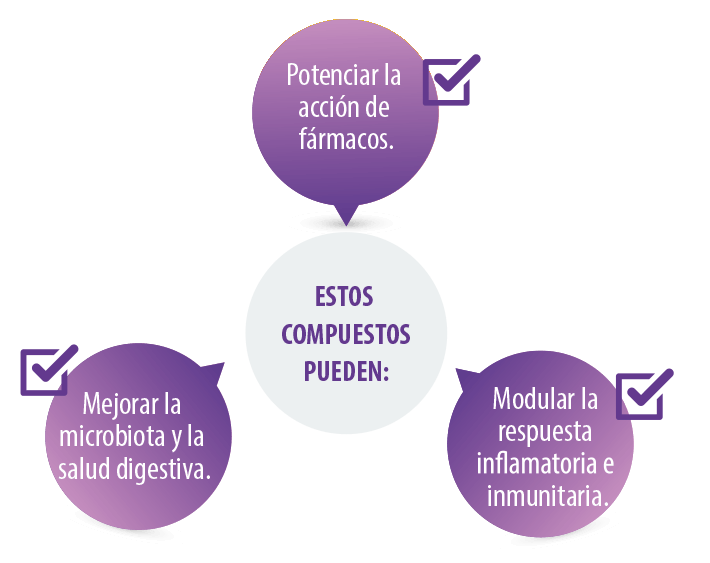
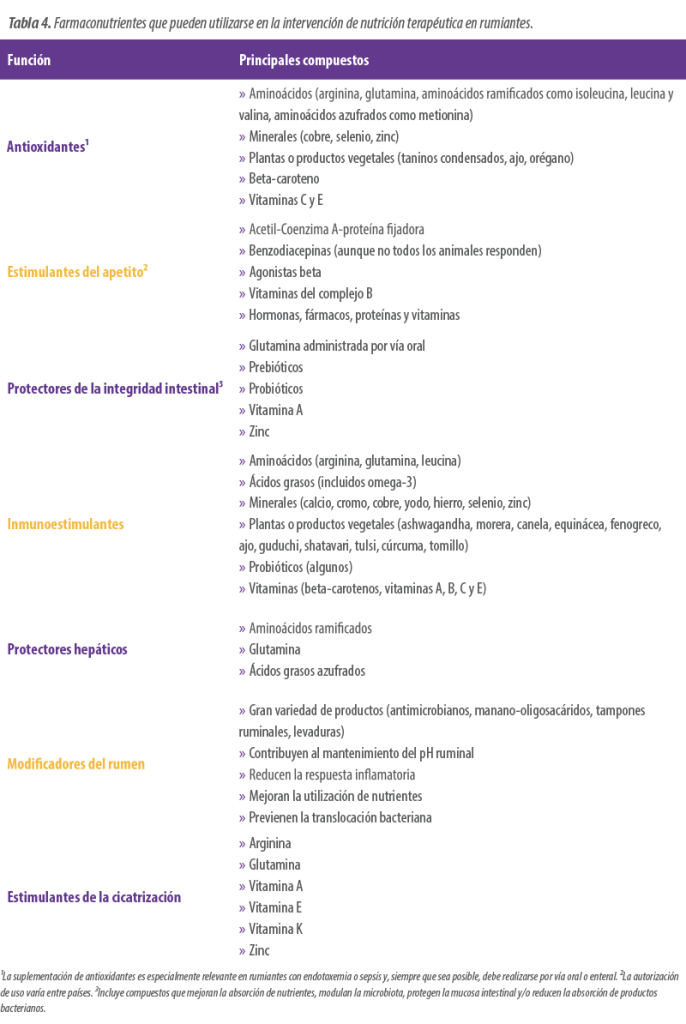
Among the most commonly used are arginine, glutamine, omega-3 fatty acids, and selenium, used as therapeutic adjuvants or specific supplements.
However, the available evidence in ruminants is limited and mainly comes from studies in humans (Table 4).
Furthermore, after oral administration, many of these compounds are fermented in the rumen, which limits their potential efficacy, so their applicability in ruminants still needs to be confirmed.
| These compounds should be considered as a complement, not a substitute, for therapeutic nutrition. |

| FUTURE PERSPECTIVES |
The management and nutrition of ruminants will progressively evolve towards transformative approaches based on Big Data, real-time monitoring, and precision technologies.
In this context, precision nutrition seeks to adjust diets to the specific needs of each animal based on their productive and reproductive status, the phase of the production cycle, environmental conditions, and their health status.
Supported by intelligent feeding systems, precision nutrition presents a dual benefit:
1. It allows for more accurately meeting nutritional requirements.
2. It helps reduce nutrient waste and environmental impact, lowering costs, labor needs, and the risk of human errors.
 However, its widespread application in ruminants is still limited due to the current costs and the time required to obtain results, which makes it difficult to implement highly individualized nutritional strategies in practical conditions. However, its widespread application in ruminants is still limited due to the current costs and the time required to obtain results, which makes it difficult to implement highly individualized nutritional strategies in practical conditions. |
| CONCLUSIONS |
Therapeutic nutrition interventions should be based on the knowledge of normal and altered physiology, as well as the possible morphological changes associated with the disease.
The utilization of nutrients largely depends on the ruminal microbiota, so its health must be preserved.
| Whenever feasible, the diet should be administered orally, with ruminal feeding being an intermediate alternative, while direct enteral and parenteral routes should be considered as last options.
|
 The success of the intervention can be evaluated by the improvement in appetite, behavior, and the animal’s health status.
 It is necessary to continue researching to more precisely define the nutritional requirements of sick ruminants and optimize intervention strategies. It is necessary to continue researching to more precisely define the nutritional requirements of sick ruminants and optimize intervention strategies. |
Translated and adapted from: Teixeira Rodrigues de Almeida, S.; Caetano, M.; Kirkwood, R.N.; Petrovski, K.R. The Basics of Clinical Nutrition for Compromised Ruminants—A Narrative Review. Ruminants 2025, 5, 51.
You may be interested in: Fundamentals of Therapeutic Nutrition for Sick Ruminants – Part I