


 Latinoamérica
 Europa
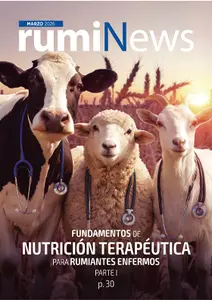
Fundamentals of Therapeutic Nutrition for Sick Ruminants – Part I








| Clinical nutrition guidelines for sick ruminants remain limited despite playing a key role in their recovery.
|
 Given the essential role of the forestomachs in nutrient utilization, it is a priority to focus on therapeutic nutrition interventions that allow the diet to be delivered orally or directly to the rumen.
| In this context, the use of soft diets, with shorter particle length and high palatability may be preferable.
Likewise, total intravenous nutrition should be reserved only for high-value animals or neonates, always for the shortest possible time. |
| THE CHALLENGE OF THERAPEUTIC NUTRITION IN RUMINANTS |
Even with balanced feeding and favorable conditions, ruminants can present health problems.
 In fact, the nutritional status significantly influences the progression of infectious diseases, and malnutrition delays recovery and healing processes, and alters immune function and overall health.
| In disease situations, early detection and intervention are crucial.
|
 Therefore, although in the past nutrition in ruminants was not considered a priority therapeutic element, it is now recognized as a key component in disease management.
What is therapeutic nutrition?
Therapeutic nutrition is a strategy based on (amino acids, antioxidants, buffers, and omega fatty acids) to:
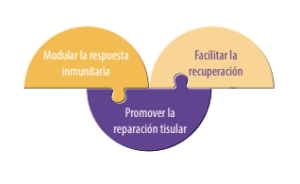
| Criteria for the application of therapeutic nutrition in ruminants
Therapeutic nutrition in ruminants has received limited attention, resulting in a lack of information about its benefits and proper application. The anatomical, physiological, and metabolic particularities of ruminants in the face of diseases necessitate adopting differentiated approaches in therapeutic nutrition interventions compared to humans and other monogastric animals, although the basic principles are common. The main objective of therapeutic nutrition in ruminants is to provide a balanced and healthy diet to sick or injured animals.
|
| THE SICK RUMINANT: LIMITATIONS OF CONVENTIONAL NUTRITIONAL MANAGEMENT |
Sick ruminants often experience a decrease in appetite and frequently present alterations in their feeding functions.
In production systems, these animals are usually housed with the rest of the herd and receive the same diet as their healthy companions, and the management of their pathology is based almost exclusively on pharmacological treatment.
 Different disorders can lead to physiological and metabolic changes, so to promote faster recovery, each sick animal will require a diet that specifically considers its individual physical and physiological state.
The effective application of therapeutic nutrition requires a precise diagnosis and an adequate understanding of the alterations that have occurred as a result of the disease or injury.
In fact, the inappropriate use of therapeutic nutrition can increase the severity of the pathology, cause adverse effects, and even lead to death if the diagnosis is incorrect or omitted.
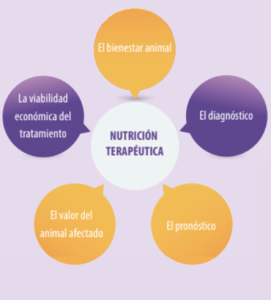
| In addition to ensuring the supply of basic nutritional requirements, the intervention of therapeutic nutrition should be evaluated considering related considerations with:
|
The treatment of the primary pathology should always be the highest priority and is often complemented with supportive treatments and proper care.
Therapeutic nutrition can be part of the primary treatment, correcting specific nutritional deficiencies or excesses, or integrating into the supportive treatment, contributing to acid-base balance, electrolytes, and fluids.
 For example, in cases of neonatal diarrhea, the main problems requiring correction include dehydration, electrolyte imbalances, hypoglycemia, and metabolic acidosis.
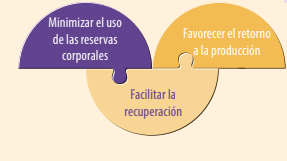
The objective of therapeutic nutrition should be:
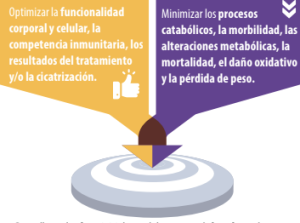
To achieve this, in the initial phases, corrections of acid-base balance, electrolytes, fluids, and metabolism should be made, to subsequently support the general state and welfare of the animal.
| Ultimately, the goals of therapeutic nutrition are to reduce the duration and severity of morbidity and prevent mortality.
In short, it should contribute to restoring the functionality of the digestive system and promoting the return of the animal to health and productivity, while minimizing the impact on animal welfare. |

| NUTRITIONAL PATHOPHYSIOLOGY OF THE SICK RUMINANT |
Generalized malnutrition and specific nutrient imbalances can lead to a disruption of immune function, resulting in a increased incidence and severity of diseases and injuries, which in turn leads to higher morbidity and mortality rates, often associated with more severe pathologies.
 The immunosuppression associated with malnutrition can lead to vaccine failures, further increasing the costs associated with it.
From an economic perspective, it should be noted that, even if they are subclinical processes, they generate high costs associated with:
- Reduction in feed conversion efficiency and growth rates
- Increase in treatment costs
- Higher risk of condemnations at the slaughterhouse
| Decreased Appetite
Sick ruminants often exhibit a decreased appetite and lack an effective adaptive response to fasting. The reduction in intake can be:
Alternatively, to ensure an adequate supply of nutrients, it may be necessary to resort to hyperalimentation and the administration of medication. |
 Therefore, it may be necessary to:
It is also worth noting the environmental and social implications of poor nutrition.
 Reduced intake by sick animals is associated with a greater environmental impact due to environmental contamination with antimicrobials and other medications, as well as the increase in greenhouse gas emissions.
It is important to consider consumer expectations regarding the acquisition of products from healthy animals.
| Alterations in Protein and Energy Utilization
Sick ruminants experience an increase in the mobilization of muscle proteins and adipose tissues, as well as an increase in metabolic rate, with or without an increase in body temperature, in addition to greater cellular oxidative damage and tissue repair processes.
In sick animals that partially maintain appetite, dietary intake helps minimize the catabolic processes associated with fasting. When catabolic processes derived from diseases or chronic inflammatory states persist (especially protein catabolism), it is essential to ensure that the animal’s energy and protein requirements are met.
During illness processes, the available amino acids are preferentially used for the synthesis of acute-phase proteins and to support the immune response, rather than for growth or production functions.
To meet the maintenance needs of the body in situations of inappetence, there is a catabolism of muscle mass and adipose tissue.
These catabolic processes can contribute to the accumulation of triglycerides in the liver and the production of reactive oxygen species (ROS) and, when this state is prolonged, pathologies such as hepatic lipidosis, ketosis, and weight loss may develop. Additionally, the animal’s behavior may also be altered, partly due to an insufficient supply of glucose to the brain.
|
 These changes are associated with a state of
  These changes are due to the individual or combined activity of circulating hormones, inflammatory cytokines, and neurotransmitters.
 Due to decreased intake, it may be necessary to offer smaller volume rations but with higher nutrient concentration.
 In the context of protein hypercatabolism, some non-essential amino acids (such as arginine and glutamine) become conditionally essential.
 This process is exacerbated by the increased metabolic demands associated with fever, general malaise, and/or tissue repair.

| Due to alterations in glucose utilization and the reduced hormonal influence on lipid metabolism, it may be beneficial to increase the fat content of the diet to a maximum of approximately 5% of the dry matter.
However, higher fat levels, between 6 and 8%, can cause a depression of ruminal fermentation and fiber degradation, so they should be avoided. Additionally, high levels of unsaturated fats can react with the available calcium to form insoluble calcium soaps in the rumen, reducing the availability of this mineral.
|
Alterations in the utilization of minerals, vitamins, and water
| MINERALS |
Blood concentrations of some minerals (or their available forms) may be altered during disease processes due to the mediation, mainly, of different inflammatory cytokines.
However, the routine inclusion of minerals in therapeutic nutrition interventions is not recommended, so supplementation should be based on analytical confirmation of actual needs.
| WATER-SOLUBLE VITAMINS |
B-complex vitamins
B-complex vitamins are especially important for their essential role as coenzymes in the Krebs cycle, key for energy metabolism and cellular function.
They play relevant roles in:
- The protection and functioning of nervous tissue
- The growth of ruminal microorganisms
- Hematopoiesis
- Hoof health
- Immunity
- The integrity and inflammation of the digestive epithelium
- Liver health
- Reproductive performance
| Due to the increased metabolic rate in sick ruminants, B-complex vitamins are used in greater amounts and, since rumen microorganisms may be compromised at the start of therapeutic nutrition intervention, supplementation with water-soluble vitamins should be considered. |
A large portion of water-soluble vitamins, particularly those of the B-complex, are synthesized by rumen microorganisms.
Vitamin
Although its importance is probably greater in non-ruminant animals, vitamin C may become relevant during periods of stress, such as illness, transport, or environmental changes.
It can act as an antioxidant and is involved in collagen synthesis, contributing to tissue repair and wound healing.
| WATER |
Sick ruminants often experience a reduction in water intake, which, associated with increased water loss, leads to dehydration and various electrolyte imbalances.
Dehydration can occur as a result of drying of the rumen contents or excessive fluid losses, as seen in cases of diarrhea, hemorrhages, polyuria, sialorrhea, or losses into the third space.
| Therapeutic nutrition interventions should consider the replacement of fluids and electrolytes.
In fact, fluid and electrolyte therapy may also be indicated when an increase in diuresis is required, such as in situations of acute kidney injury or in cases of intoxication. |
| FAT-SOLUBLE VITAMINS |
Fat-soluble vitamins are stored in adipose tissue, and deficiencies can be observed in animals with anorexia or, in general, when they do not consume sufficient amounts of nutrients, leading to a worsening of body condition and, over time, possible vitamin deficiencies.
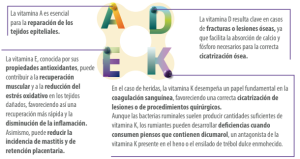
| In sick animals with low body condition or with high metabolic demands, it may also be necessary to consider supplementation with fat-soluble vitamins |
| Alterations in the function and integrity of the digestive system
In ruminants, a large part of the functionality of the digestive system depends on ruminal fermentation, followed by abomasal and intestinal digestion, while a smaller fraction is based on fermentation in the hindgut. The functionality and integrity of the digestive system, particularly of the intestinal mucosa, largely depend on the continuous supply of nutrients and oxygen to the mucosa.
One of the key functions of the intestinal mucosa is to act as a barrier against the absorption of unwanted compounds and the entry of pathogens, a function that largely depends on the tight junctions between enterocytes and the gut-associated lymphoid tissue. |
| The reduction of intake deprives the intestinal mucosa of nutrients, altering absorption capacity and vascular supply, damaging intestinal villi, and compromising the barrier function, with an increase in paracellular transport.
Hemodynamic alterations and ischemia can exacerbate these effects by reducing mucosal oxygenation and causing reperfusion injuries. In this scenario, the absorption of unwanted intestinal compounds and/or bacterial toxins is associated with behavioral changes, endotoxemia, and inflammatory responses, as well as pathogen translocation. |
| Therapeutic nutrition intervention should prioritize the provision of fresh feed as soon as it is safe to do so. |
Alteration of the function and integrity of the forestomachs
When analyzing the pathophysiology of nutrient utilization in ruminants, it is crucial to consider the function of the forestomachs, especially in relation to alterations in microbiota and motility.
 Ruminants depend on a complex commensal and symbiotic microbial community that produces essential nutrients for the host, such as microbial protein, vitamins, and volatile fatty acids.
| In healthy ruminants, ruminal fermentation contributes approximately 80% of fiber digestion and around 60% of total amino acids. Therefore, ruminal microorganisms require a continuous supply of fresh intake, making it essential to meet the higher specific dietary requirements of sick ruminants to promote rapid recovery. |
However, ruminants recover more slowly from fasting than monogastric animals, partly due to the time needed for the ruminal microbiota to adapt to the diet.
 In this context, ruminal transfaunation* can accelerate the recovery process.
*Procedure consisting of extracting ruminal fluid with healthy and high-quality microbiota from one ruminant and transferring the extracted fluid to the rumen of another ruminant.
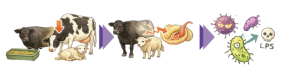
The lack of feed intake slows down and can even stop the motility of the forestomachs and, consequently, the ruminal microbiota is altered (dysbiosis) due to the loss of active protozoa and changes in the proportion of viable microorganisms, which progressively leads to the death of a significant part of the microbial population.
These changes lead to different indigestion conditions and various metabolic disorders, such as abomasal displacement.
As ruminal pH decreases, the growth of gram-negative bacteria is favored, which can lead to excessive production of lipopolysaccharides (LPS), whose absorption causes endotoxemia and inflammation. In ruminants fed highly concentrated diets, LPS can also originate from fermentation in the hindgut.


The provision of feed to the reticulorumen should be based on diets containing sufficient effective fiber, as it is key to maintaining the health and functionality of the forestomachs:
However, in ruminants with high metabolic demands (young growing animals, lactating or advanced pregnant females), forages may not be sufficient to meet energy and protein requirements. |
| Alterations in the pre-ruminant stage
Neonates are more susceptible to illness due to close contact with other animals, increased exposure to pathogens, lower immune competence, and their high susceptibility. Additionally, their body reserves of energy and protein are considerably lower and the metabolic rate is higher, so their energy availability is often insufficient.
However, it should be noted that any serious illness can cause the loss of the sucking reflex, so oral administration of fluids can inadvertently lead to aspiration pneumonia. Likewise, serious diseases or injuries can alter the functionality of the digestive system, and forced administration of fluids and/or milk can cause rumen deposition, bloat, and rumen putrefaction.
|
 Furthermore, the neonate’s body contains a much higher proportion of water than that of the adult animal, so any disorder can quickly lead to dehydration and electrolyte imbalances.
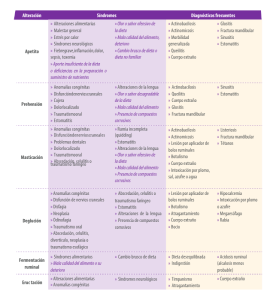
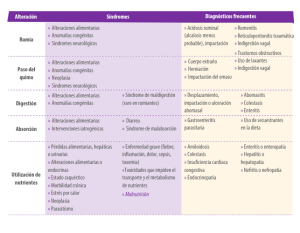
Table 2. Relationship between pathophysiological alterations, indicative syndromes of alteration, and most common causes in ruminants. The italicized text is directly related to the nutritional management of ruminants.
| CONCLUSIONS |
| Therapeutic nutrition in sick ruminants must be based on a solid understanding of the pathophysiological alterations that affect the utilization of nutrients during the processes.
|
 Changes in metabolism, digestive function, immune response, and electrolyte balance directly affect the effectiveness of any nutritional intervention.
You may be interested in: Fundamentals of Therapeutic Nutrition for Sick Ruminants – Part II