


 Latinoamérica
 Europa
4 important things on farms at zero cost








When you visit different farms, you begin to realize how multifactorial all aspects of this work are. Both in successes and failures, it is not all the result of chance or a specific action, but rather several parameters condition a result, and that is why what sometimes works on one farm does not work on another.
Therefore, this time we will reflect on some of the most important aspects of ruminant production. Studies have been conducted on the influence of investments in genetics, feed, facilities, etc., which entail significant economic costs.
On this occasion, I want to highlight 4 points whose investment is €0 and yet can greatly influence the farm’s results.
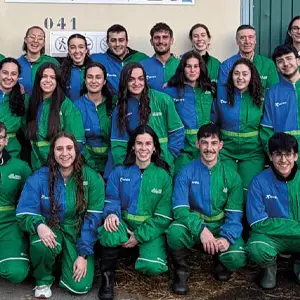
 Motivate the staff
It seems simple, but not all of us know how to empathize with our colleagues, and it must be acknowledged that it must be difficult to be a boss to balance trust in a worker and the result we believe they are contributing to the company. The phrase “you have to put yourself in someone else’s shoes” has been used many times, and it is not easy.
It is difficult to retain good workers, and changes destabilize any farm for a while until everything returns to order. We must value those who show more interest in their tasks and care for the group, making them see that they are not treated the same as those who just do the bare minimum. It’s not always about money, but about support in good times and not just shouting in bad times.
We must be aware that, as a colleague commented: “we put inexperienced drivers in Formula 1 cars” in reference to high-performance animals. Therefore, we must offer them the best training, care for them, and ensure they become involved in the farm so that they feel it is theirs.
 Plan the census well
When a farm is designed, it is done with a capacity for a certain number of animals in mind, but in daily management, circumstances change. Production is not always the same, and when it goes wrong, it is often thought that having more animals will yield better results. And this is often wrong.
Other times, things go too well, and again we find ourselves with more animals than anticipated, which causes a revolution with almost always negative results.
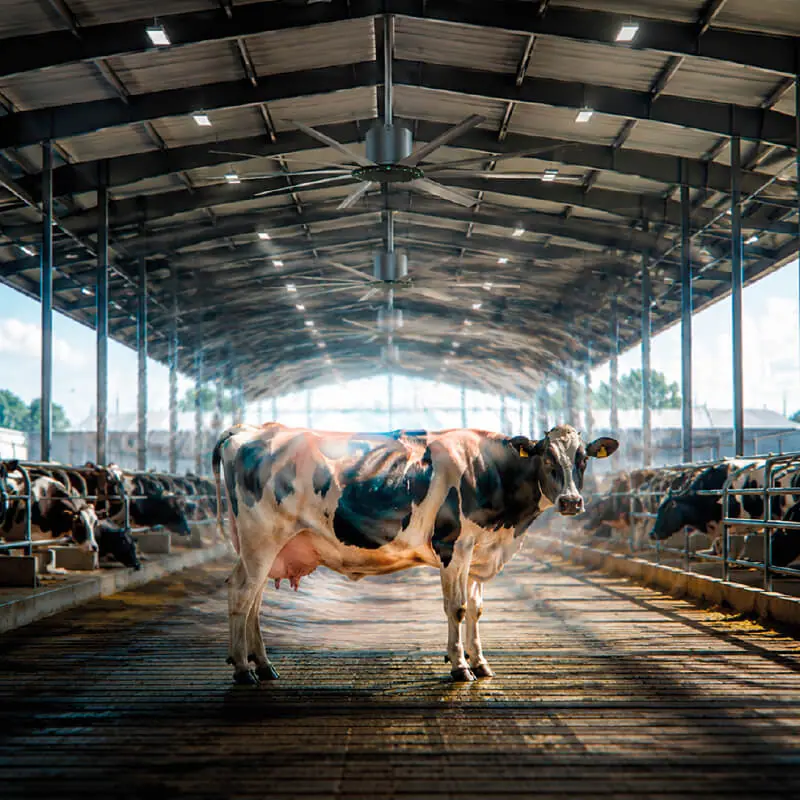
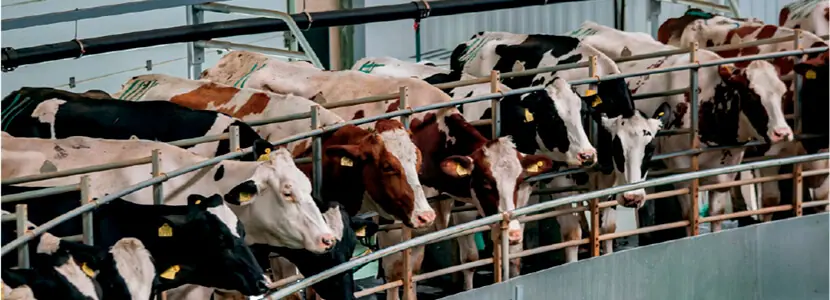
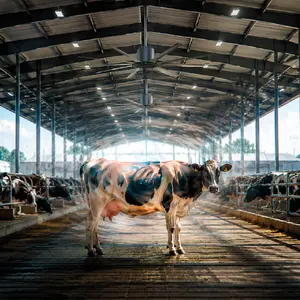
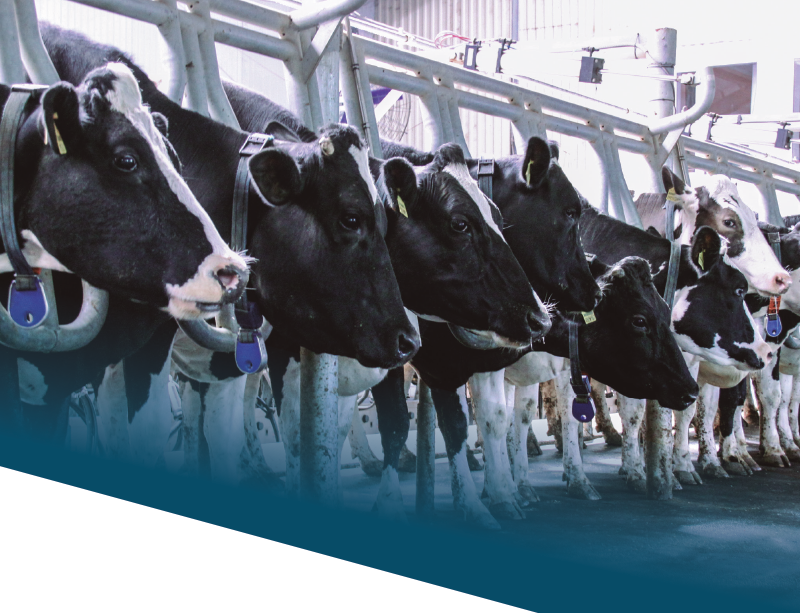
An excessive census usually leads to having more animals in the same space, worsening welfare and production. Poor environmental conditions cause stress in the animal, which will have negative production, potentially becoming ill, harming its companions, or growing less.
It is worth calculating and reflecting on how many animals we have because sometimes reducing the census improves production.
 Consider the Health Program
Before undertaking any action, we must reflect on which animals we will have on our farm, and with which germs we are willing to coexist due to the environment we have and the replacement stock we will receive.
Insisting on eradicating certain pathologies in areas with high livestock density can result in a waste of resources and subsequently a loss of confidence in the work team, who see their efforts as futile.
Therefore, it is advisable to consider what type of vaccines to use, how to adapt the replacement stock, what preventive treatments to establish…
Immunizations must be done at the right time and through the correct route. It is essential to know what health status controls of our animals to perform to guarantee the result of our work.
An extremely important topic in Health is Biosecurity, and we must also define it so that all staff are convinced of the farm’s level of demand. If compliance with certain measures is required, the appropriate means must be provided to do it well.
 Do not waste resources
Finally, I believe there is a significant cost leak in misused resources.
In some visits, we see how animals throw feed out of the troughs because they are not well regulated or because they have a broken part that we take too long to replace. In this way, we are losing the most expensive part of animal production.
We could also mention other animals we raise on some farms that do not benefit us but rather transmit diseases. I am referring to rodents and even birds that we have on some farms and that are there because they have easy food; I think that alone is a good reason to try to eliminate them.
Another cost on farms that could be reduced is associated with some treatments that are done systematically as preventives, when good training would allow reducing this management to those strictly necessary. For example, treating all newborns with a product that could be used only on a few or not knowing the necessary dose of a more concentrated product, and using the same dose as before, because we did not bother to indicate that half is enough.
Surely, we could think of another point that, with a little time, would help us avoid problems on farms. And as we see, the cost of these points is not economic but requires an investment in planning time and a bit of experience. Review your work guidelines and surely some correction will give you an extra for the next holidays!