


 Latinoamérica
 Europa
Fiber Optics and Transhumance; Technology and Livestock Unite








Fiber optics and transhumance: technology and livestock unite to boost rural development along livestock routes
- The deployment of fiber optic networks along livestock routes in the Ribera del Duero and the promotion of projects that combine technology and grazing reflect a new strategy to revitalize rural areas and extensive livestock farming.
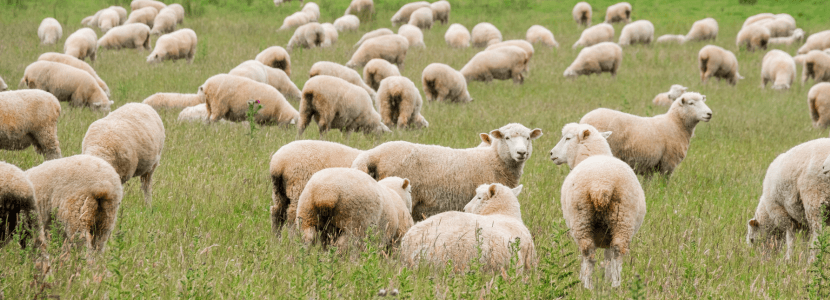
The digitalization of rural areas is beginning to coexist with traditional livestock practices such as transhumance. In the Ribera del Duero in Burgos, the Junta of Castilla y León has initiated the processing of a project to install fiber optics using historical livestock routes, an initiative that reflects how technological infrastructure can be integrated with the territory traditionally used by livestock.
The project, driven by the telecommunications company Asteo Red Neutra, plans to use sections of cañadas, cordeles, and veredas in several municipalities in the province of Burgos to improve digital connectivity in the area. The initiative will affect municipal areas such as Fuentelisendo, Valdeande, Aranda de Duero, Valdezate, and Nava de Roa, where telecommunications infrastructure will be deployed.
The main objective is to interconnect different rural localities and improve access to high-speed internet, which could facilitate both economic development and the modernization of productive sectors such as agriculture and livestock farming.
Digital Infrastructure on Historical Livestock Routes
The plan includes the temporary occupation of several livestock routes, including the Cañada del Camino Real de Campiseras, the Cañada Real de Caleruega, the Colada del Camino de Vegancha, the Cordel de la Calle y Peñas, and several historical veredas. These routes, traditionally used for livestock transit, would also become corridors for digital infrastructure.
The action will allow connecting rural centers such as Gumiel del Mercado, La Aguilera, Caleruega, or Nava de Roa, areas where digital connectivity remains limited compared to urban areas.
As part of the administrative process, the Junta of Castilla y León has opened a one-month public information period for citizens, farmers, or entities to review the project and submit objections before its final approval.
Transhumance and Technology: An Alliance for the Territory
The use of these livestock routes also highlights the role of transhumance as a tool for land management and rural development. Experts and projects linked to the sector emphasize that this ancestral practice is not only part of cultural heritage but can also help address current issues such as fire prevention or ecosystem conservation.
Extensive grazing reduces the accumulation of vegetation in forests and pastures, which decreases the load of plant fuel and acts as a natural firebreak against forest fires. Additionally, it promotes biodiversity and contributes to the balance of rural ecosystems.
In this context, the concept of “technological transhumance” emerges, combining the traditional knowledge of farmers with digital tools to plan routes, manage herds, and monitor the territory. Connectivity, access to data, and digitalization allow for optimizing livestock management and improving animal safety during movements.
Rural Development and Combating Depopulation
The integration of telecommunications and extensive livestock farming is seen as an opportunity to revitalize rural areas. Improved digital connectivity can facilitate entrepreneurship, the digitalization of livestock farms, and the creation of new services in villages.
At the same time, initiatives that combine technological innovation and traditional practices aim to make livestock farming more attractive to new generations, at a time when many rural areas suffer from depopulation and a lack of generational renewal.
According to rural development experts, the future of the countryside involves integrating innovation and tradition, leveraging the environmental, economic, and cultural value of activities like transhumance while incorporating digital tools to modernize the sector.
A Model for the Future of the Countryside
The coexistence of fiber optics and historical livestock routes symbolizes a paradigm shift in rural areas. Far from representing opposing worlds, technology and extensive livestock farming can complement each other to improve land management, boost the local economy, and strengthen environmental sustainability.
In this scenario, projects like the deployment of telecommunications networks in the Ribera del Duero or technological transhumance initiatives show how innovation can rely on traditional rural knowledge to build a more resilient and connected rural model.