


 Latinoamérica
 Europa
MASTERFLY® BAIT: effective fly control for up to 8 months



 Derio Bidea, 51 Mungia 48100
  (+34) 94 674 10 85
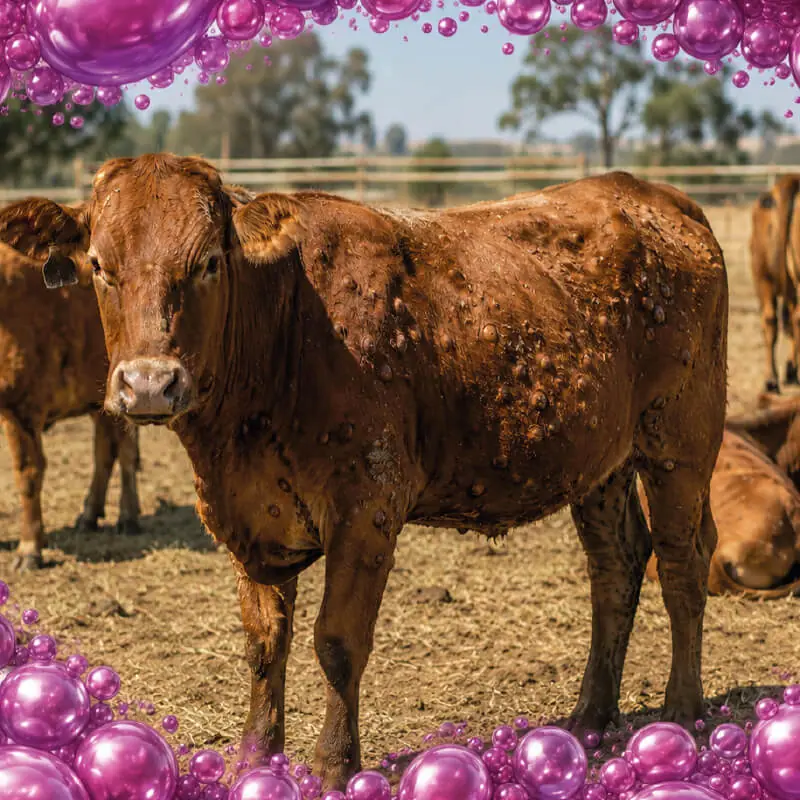
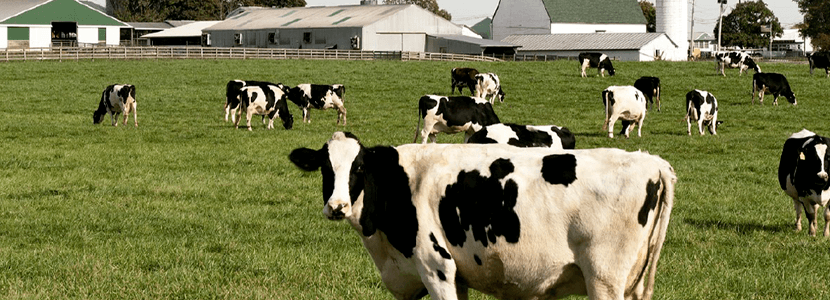
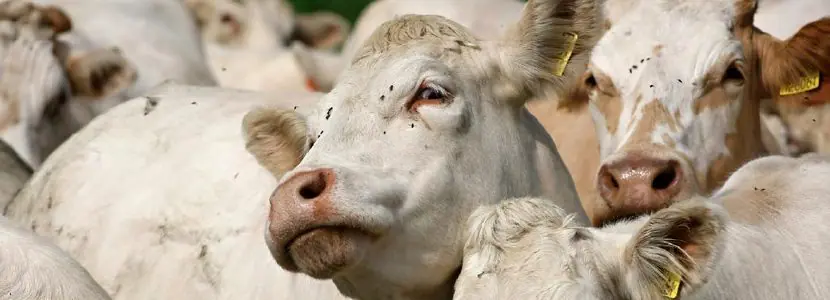
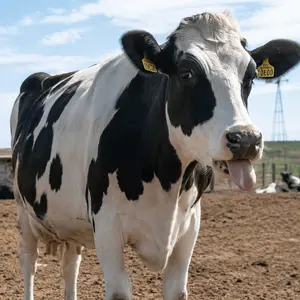
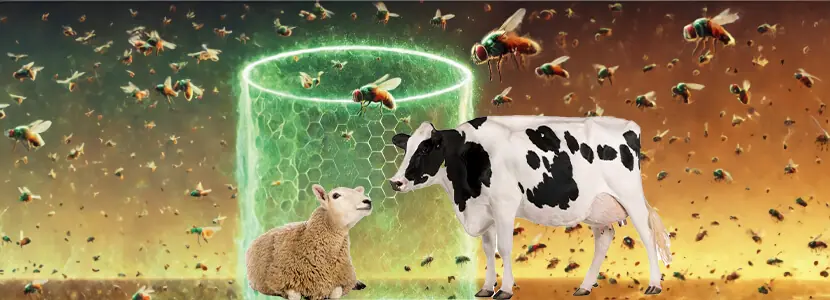
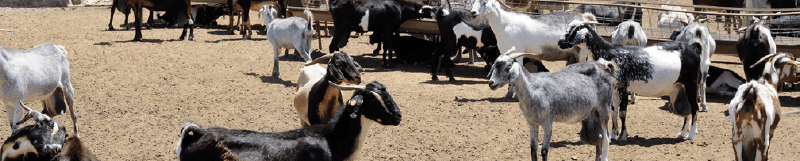
 In dairy cattle, sheep, and goats farms, the presence of flies not only causes discomfort but also affects animal health and production efficiency. In addition to causing stress and reducing feed intake, these insects can transmit diseases, compromising animal welfare and the biosecurity of the facilities.
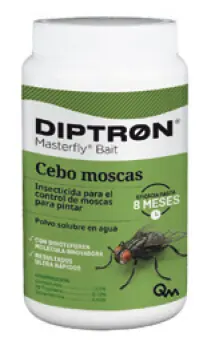
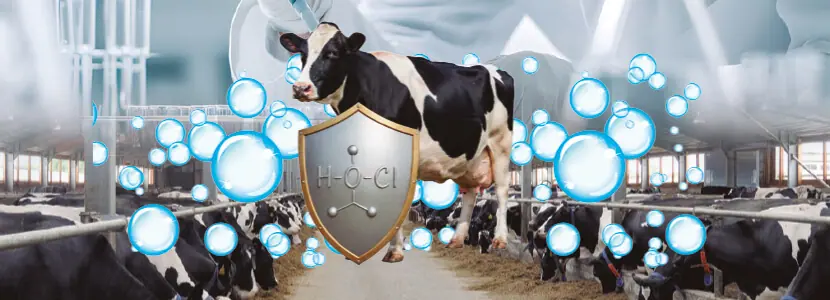
 Its innovative formulation, which combines a powerful insecticide with pheromone attractant, makes it a key tool for integrated pest management in the ruminants sector.
THE IMPACT OF FLIES IN THE RUMINANTS SECTOR
The presence of flies in livestock facilities can cause significant damage, affecting production and animal health.
 They decrease production due to the stress they generate in the animals, which reduce their feed intake, slowing their growth and decreasing meat production.
They cause discomfort in animals due to:
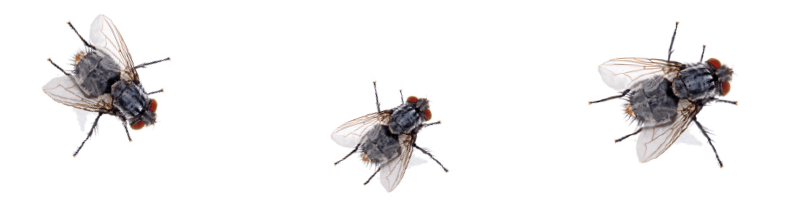
 Constant irritation: non-biting species, such as the housefly (Musca domestica), feed on ocular and nasal secretions of pigs, causing discomfort and stress.
Disruption of rest: flies disrupt the rest patterns of animals, affecting their welfare and growth.
Wounds and infections: some species feed on wound exudates, hindering healing and promoting secondary infections.
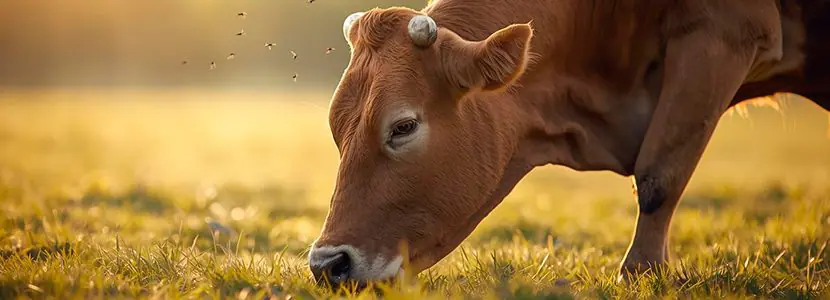
Hematophagous flies: some species, such as the stable fly (Stomoxys calcitrans), feed on blood, causing pain and even greater stress in animals.
Anemia and weakness: frequent bites can cause anemia in animals, weakening them and making them more vulnerable to diseases.
They promote the spread of diseases:
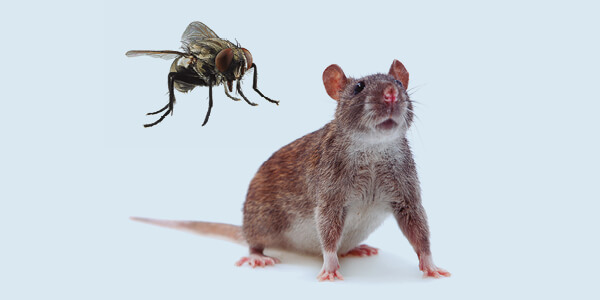
Pathogen vectors: flies can carry viruses, bacteria, parasites, and fungi on their legs and mouthparts, contaminating food, water, and surfaces within the farm.
Transmission of diseases: they are responsible for the spread of conditions such as myiasis, mastitis, and enteric diseases.
Impact on human health: by acting as vectors of zoonotic diseases, flies can transmit infections from animals to farm workers.
HYGIENIC AND PHYSICAL MEASURES FOR THE PREVENTION AND ELIMINATION OF FLIES IN RUMINANT FARMS
Flies represent a recurring problem on farms, affecting animal welfare, biosecurity, and productivity. Therefore, the implementation of hygienic, physical, and chemical measures is essential for their prevention and control.
HYGIENIC MEASURES 
 Management of organic waste
Proper management of excrement and food scraps is essential to reduce the attraction of flies, so it is recommended:
 Periodically remove manure and store it in areas away from the production area.
Implement composting systems or slurry treatment to minimize their impact.
Avoid the accumulation of decomposing food.
 Cleaning and disinfection
Establish a regular cleaning protocol for all farm areas.
Use effective disinfectants on surfaces where larvae may proliferate.
Maintain drains and septic tanks in optimal conditions to avoid puddles that facilitate fly reproduction.
 PHYSICAL MEASURES
Physical barriers
Installation of mosquito nets on windows and openings to prevent insect access.
Use of plastic curtains at entrances to minimize fly entry.
Environmental control
Improve ventilation in facilities to reduce humidity and heat, conditions favorable for fly reproduction.
Properly manage the level of moisture in the soil and in the spaces where feed is stored.
 CHEMICAL MEASURES
Use of larvicides for control in humid areas.
Use of adulticidal insecticides for application on surfaces.
Use of bait attractants to lure and eliminate flies.
| For fly control through chemical measures, the bait with attractant Masterfly® Bait is a simple tool with guaranteed results. |
Masterfly® Bait: INNOVATIVE SOLUTION FOR LONG-LASTING FLY CONTROL
| Fly control is essential to ensure efficient production and meet the sanitary standards required by the industry.
|
 Masterfly® Bait
Masterfly® Bait is a highly effective solution for fly control that quickly reduces their population with a prolonged effect over time.
 With a single application, its action remains active for up to 8 months, helping to significantly reduce the presence of flies on livestock farms and avoiding the inconveniences and costs associated with their proliferation.
This product is specifically designed to efficiently combat fly infestation in livestock facilities, where their presence poses a serious problem for animal health and welfare.
 Masterfly® Bait guarantees fast, effective, long-lasting protection and easy application. Masterfly® Bait guarantees fast, effective, long-lasting protection and easy application.
The advantages of Masterfly® Bait are exceptional:
|
| Masterfly® Bait is the fly bait with the longest persistence on the market, effectively eliminating for up to 8 months. |
INNOVATIVE COMPOSITION FOR EFFECTIVE FLY CONTROL
The composition of Masterfly® Bait is specially formulated for fly control.
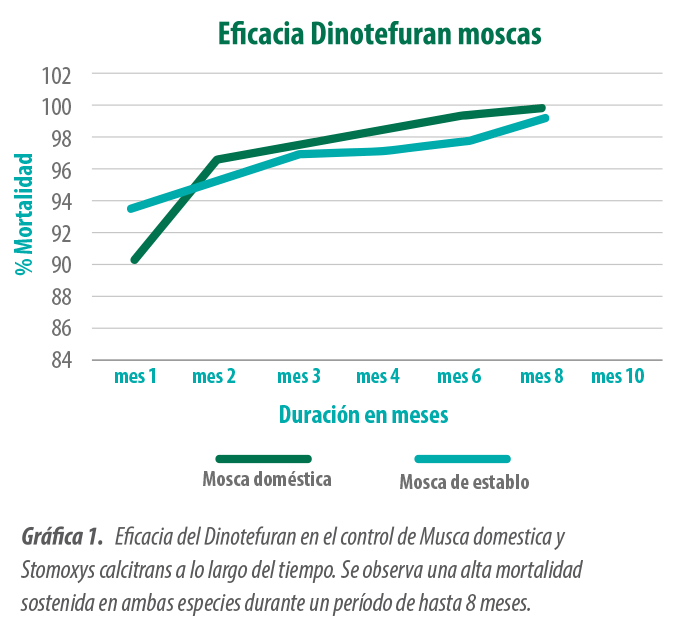
 It combines two insecticidal active ingredients, Dinotefuran and Tetramethrin, to which an attractant pheromone is added to ensure the bait can perform its action with total guarantee.
| Field trials conducted in the control of housefly (Musca domestica) and stable fly (Stomoxys calcitrans) demonstrate that the product is highly effective for controlling both species for periods of up to 8 months. |
| Masterfly® Bait is an effective solution for long-lasting fly control and easy application! |
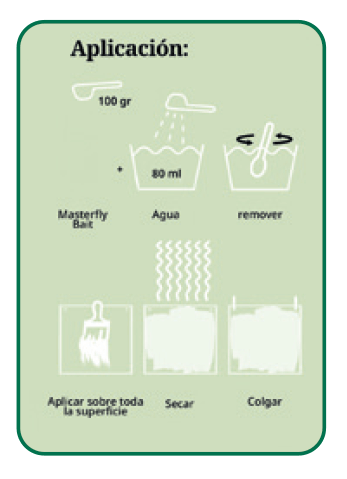 The application of Masterfly® Bait is simple and effective. It comes in soluble powder, ready to be diluted in water and applied by painting.
For optimal performance, simply mix 100 g of product with 80 ml of water, which allows treating an area of up to 100 m².
For use, it is recommended to paint small squares of approximately 30 x 30 cm on non-absorbent plastic or wood material. Once dry, hang them on the walls.
 Masterfly® Bait provides plates with holes designed to facilitate its application and placement on different surfaces, either fixed or hanging.
Masterfly® Bait is available in 125 g and 500 g packages.
| Fly control in pig farms requires a comprehensive approach based on hygiene, waste management, the implementation of physical barriers, and chemical measures.
|
 The combination of these strategies significantly reduces the presence of these insects, improving animal health and welfare, as well as contributing to more efficient and sustainable production.