


 Latinoamérica
 Europa
Why Pest Control?


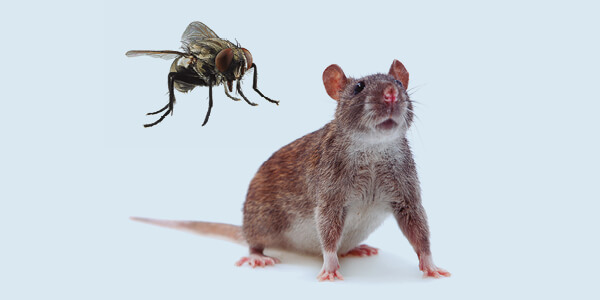




We often associate, sometimes mistakenly, the concept of pests with a huge, excessive number of living beings (rodents and insects) colonizing a specific physical place.
Before assessing the importance of good pest control in a livestock facility, we should clarify what a pest is and why we must keep it away from our facilities.
The question is… What is a pest?
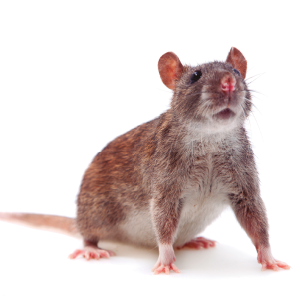
We consider a pest to be anything that annoyingly occupies a space in which humans have some interest, that is, the accumulation of some type of organism that harms us (whether economically, health-wise, or in any other way).
It doesn’t need to be thousands of individuals (rats or insects); just a few can affect us.
 Livestock facilities are the ideal place for the presence of pests, for two very clear reasons:
- They are places where, due to the presence of animals, there is a large amount of water and food, as well as waste derived from that presence.
- There are almost continuous conditions of humidity and temperature, breaking the cycle of seasonality (pests are not affected by external conditions), favoring their continued and abundant development.
Thus, we see how a livestock farm can be a paradise in the eyes of rats, flies, and other accidental inhabitants who find in it:
 Food
Food- Shelter
- Breeding place
- Optimal temperature and humidity conditions
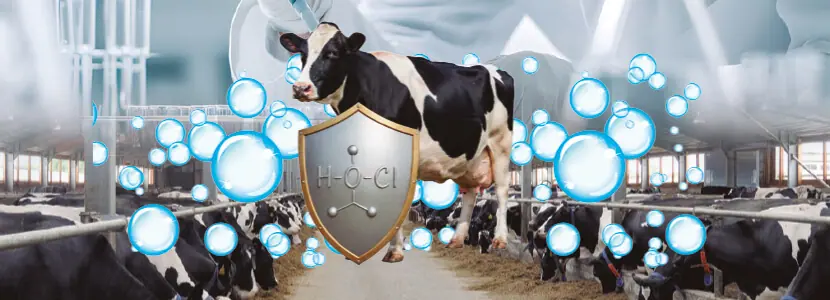
 This “facilitated” development goes against biosecurity (remember: “keeping microorganisms and their transmission vectors away”), so an effective pest control is not an expense, but an investment. Additionally, it provides clear benefits, such as reducing the number of casualties, vaccinations, and tangible improvements in production.
Pests pose a threat to the sanitary stability of animals because they act as transmission vectors.
They are entry and propagation routes for pathogenic organisms in the facilities.
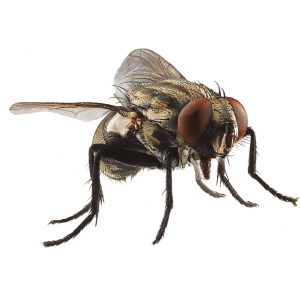
It is in the assumption of this concept that professionalized pest control takes on vital importance for the sanitary future of the facility.
An effective pest plan should pivot on the concept of integrated control, that is, the combination of chemical treatments with physical measures that create a scenario as hostile as possible for pests.
Neither of the two measures (chemical or physical) alone is usually sufficient for effective control of rodents or insects. It is the combination of both types that guarantees us almost total success.
Besides, an integrated pest control will preserve the biosecurity of our facility and the health status of our animals, the presence of pests (mainly rodents) in farms can bring us other significant problems regarding the profitability and productivity of the business.
Infrastructure problems are common due to gnawing – damage in almost any place, electronic material, conduits, insulators, and even blockages in feed, air, water, or slurry conduits – with the consequent problems and costs derived from their presence and elimination.
Accompanying the chemical action, which will effectively reduce the already present population, we should also work on preventing the entry of pests inside.
The most effective control method to avoid rodents is to prevent them from entering. For this, it is important to know what the critical points of the facility are regarding the presence of rodents.
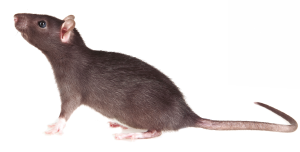
 Areas with water and food presence
Place of feces accumulation and lagoon situation
These are the places with the highest rate of decay and organic matter, therefore an attractive place for rodents and other pests.
Possible internal or external sources
They favor the presence of rodents and even some of them can be breeding points.
Some examples of these sources are: feeding areas, garbage, waste, accumulation of plant material and/or food, tanks, lagoons, areas between barns, interior shelters, burrows, carcass areas, false ceilings, interior beams, feed distribution, wiring, electrical panels, feed hoppers, etc.
General state of the construction
The tightness, state of conservation, presence of structural defects, state of the insulator, and conditions of cleanliness and hygiene can crucially influence the presence of rodents.
Controlling these critical points in prevention, along with a professional and effective pest control service, will enhance the health of our animals, and consequently the economic success of the farms.