


 Latinoamérica
 Europa
Nutritional strategies to mitigate heat stress in dairy cows









 |
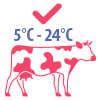 According to Yousef (1985), the ideal temperature for cows varies according to the type of animal and its condition, but it is generally considered that for dairy cows it is in the range of 5°C to 24°C.
 When kept within this range, the cows do not have to expend additional energy to maintain their body temperature, maximizing their comfort and productivity.
 Comfort temperature is also conditioned by the environmental humidity, which is a factor that can exacerbate a heat stress situation.
| Under high temperature conditions, the energy requirements of cattle increase because there is an increase in energy expenditure to eliminate body heat. |
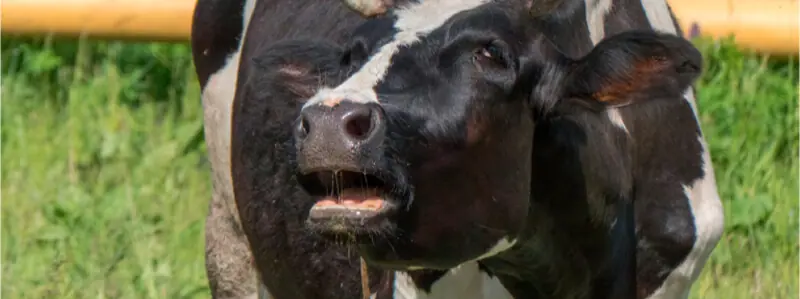
When a cow is under heat stress conditions, the first thing observed is a decrease in Dry Matter Intake (DMI). Additionally, the animals remain standing, rumination decreases, they exhibit increased respiratory rate, and sometimes they pant, eliminating a large amount of saliva.
As a consequence, the cow presents:
 Reduction in DMI.
Decrease in milk yield.
Lower solids production.
Reduced reproductive performance.
Increased incidence of retained placenta, metritis, and laminitis.
In dry vacations, reduced fetal development and possibly lower milk yield in the next lactation.
(La Manna et al., 2014)(La Manna et al., 2014).
| In addition to the decrease in DMI and milk yield, heat stress causes dysfunction of the immune system, leaving animals more susceptible to diseases. |
Considering that production can drop by 35-40% (Ding et al., 2022) and that, as recently demonstrated, if the cow is pregnant, the future production of its offspring will also be affected, it is worth paying attention to the issue of heat stress and implementing measures to prevent it.
HEAT INCREMENT 
Heat increment is defined as the energy expenditure associated with the digestion and assimilation of food.
Cows have several methods to dissipate heat, including the decrease in feed intake, with the corresponding lower heat production associated with ruminal fermentation and metabolic processes within the body.
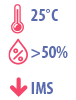 In dairy cattle, under heat stress conditions, the DMI begins to decline from 25°C, with a sharp drop from 30°C, especially when the relative humidity exceeds 50%.
Other factors such as solar radiation, wind speed, diet digestibility, production level, etc., also influence the drop in DMI, which has a direct impact on milk yield.
The supply of easily digestible foods helps counteract the increase in heat generated by rumen fermentation, but also decreases rumination time. This situation, coupled with an increase in salivation to dissipate heat, often ends up causing Subacute Chronic Acidosis.
 Since heat generation varies according to different nutrients, there is the possibility of formulating diets that generate less heat increase.
DIET FORMULATION 
It is necessary to reformulate diets to achieve an adequate nutrient density that meets the recommended requirements for this species.
Fiber
Usually, in summer diets, the crude fiber content is reduced to avoid the heat generated by fermentation. However, this type of rations should be implemented with caution due to the need for ruminants to have a sufficient fiber content to promote rumination and ensure rumen health and animal welfare.
 The fiber must be of good quality to ensure a high digestibility, allowing the production of Volatile Fatty Acids (VFA) without generating excessive fermentation heat.
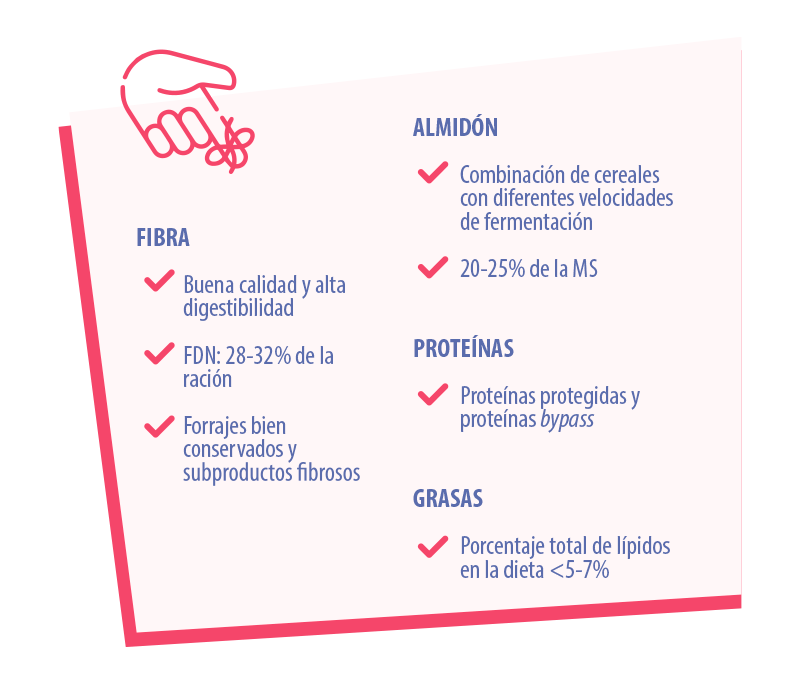
The contribution of Neutral Detergent Fiber (NDF) should constitute 28-32% of the total ration.
High-quality NDF sources include well-preserved forages and fibrous by-products.
Fiber length should not be excessive to allow for a higher rumen passage rate and avoid selection, but it should not be less than 2.5 cm to stimulate rumination and saliva production, thus maintaining an adequate rumen pH.
Starch
Under heat stress conditions, it is essential not to overload the ration with starch, as an excess can lead to subacute ruminal acidosis.
A valid option is the combination of cereals with different fermentation rates.
Ideally, the starch content in the diet should be between 20-25% of the dry matter.
Proteins
The excess of proteins can decrease productive efficiency, as the nitrogen that exceeds the requirements must be metabolized and excreted as urea in the urine, which requires additional energy.
The supply of protected amino acids, which are not degraded by bacteria in the rumen, and bypass protein play an important role in cow nutrition under heat stress conditions.
Fats
The use of fats in the diet of dairy cows subjected to heat stress is highly recommended to compensate for the reduction of starch and increase the energy level of the diet. However, it should be noted that the total percentage of lipids in the diet should not exceed 5-7%.
Minerals
As a consequence of the reduction in voluntary intake due to heat stress, the intake of essential minerals also decreases.
Increasing mineral concentrations in the diet is a strategy to compensate for the reduction in DMI and thus meet the requirements. Additionally, the requirements for some minerals (potassium and sodium) increase in these situations.
Additives
Some additives, such as sodium bicarbonate, live yeasts, and other buffers, can help maintain rumen health and improve feed efficiency under heat conditions.

FEED MANAGEMENT 
The main objective of feed management should be to stimulate feed intake, as, as we mentioned earlier, it is the first sign observed in a cow suffering from heat stress. In this regard, there are a number of key points to consider:
Frequent feeding
Increasing the number of feed deliveries per day is advantageous for two main reasons:
When the feed remains in the troughs for a few hours and the ambient temperature is high, it is most likely to deteriorate quickly and the cows will refuse to consume it.
Dividing the daily ration into several deliveries ensures that the feed is fresh.
The delivery of food stimulates appetite and consumption in cows.
Availability of fresh water
The water troughs must provide fresh water and remain clean. Water should be available in holding pens and alleys. The regular inspection of water troughs is essential to ensure that the water supply is adequate.
Feeding schedules
During warm periods, cows tend to consume more feed during the cooler hours of the day (at dusk and during the early morning).
Knowing that the rumen reaches its peak heat production 3-4 hours after intake, it is important to schedule feeding so that the time of greatest ruminal fermentation does not coincide with high ambient temperatures.
For example, a cow fed at 8 in the morning may reach the peak of fermentation at noon, when it is very hot.
 In contrast, a cow fed at 5 in the afternoon will reach the fermentation peak around 9 at night, allowing it to dissipate excess body heat in a cooler environment.
Daily monitoring
Constant monitoring of the following parameters is vital to quickly detect and correct any problems that may arise:

 The milk yield and composition.
The dry matter intake.
The condition of the feces.
The behavior of the animals.
| Maintaining DMI is essential for milk yield, but it is not the only determining factor to ensure the continuity of the volume of milk obtained.
|
 Therefore, measures must be adopted (good provision of shade, sprinklers, fans, avoiding long walks during the hottest hours, among others) to ensure animal welfare.
You may be interested in: Facing heat stress in dairy cattle