


 Latinoamérica
 Europa
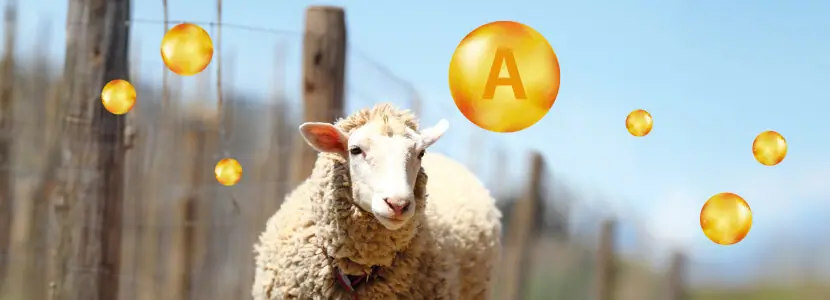
Vitamin A: Antioxidant Shield for Sheep Health






|
Effective sheep nutrition is essential to optimize the production of meat, milk, and wool, but due to the complexity of the factors influencing this process, it is indispensable to have adequate tools to manage it optimally.
|
 Oxidative stress arises when there is an imbalance between the production and elimination of oxidizing agents, leading to their accumulation in the body.
This phenomenon directly damages cells, affecting DNA integrity and weakening the plasma membrane, which compromises cellular health and, consequently, the productive performance of the animals.
 Since oxidative stress can compromise cell integrity, it is essential to have tools that can act as a protective shield, reducing cellular damage and maintaining metabolic viability, which will also impact reproductive quality, as it provides greater protection and seminal durability.
ANTIOXIDANTS TO THE RESCUE
 Antioxidants are key compounds that protect cells against the harmful effects of free radicals generated by the body itself. In addition to this protective role, they contribute to the strengthening of the immune system and can help in the prevention of various diseases.
The inclusion of these substances prevents the oxidation of oils and vitamins, ensuring food safety and contributing to maintaining intestinal health so that animals can express their full potential.
 Adequate nutrition in sheep directly impacts their productive performance, favoring both rapid weight gain and meat quality. In addition to minerals, sheep require essential vitamins for the optimal functioning of their bodies.
In fact, the deficiency of these nutrients can cause serious health problems in the herd, affecting their welfare and productivity.
A FOR ACTION – VITAMIN A FOR A HEALTHY HERD
Vitamin A is indispensable for sheep health, as it contributes to:
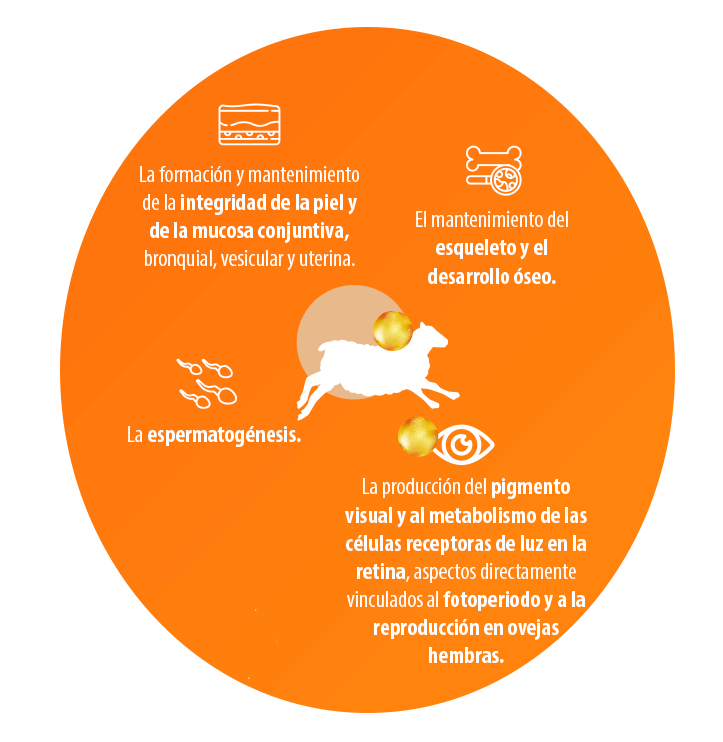
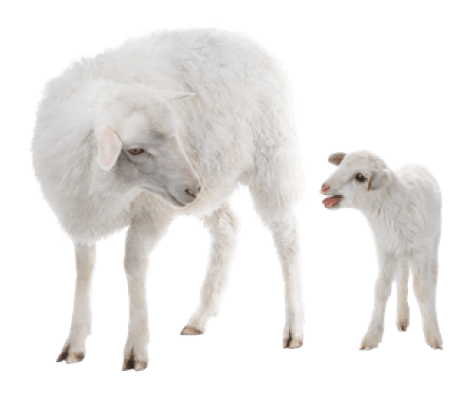
 The vitamin A deficiency in lambs often occurs when they are born from ewes with low levels of this nutrient, as they come into the world with limited reserves of vitamin A. During their first days of life, they rely exclusively on maternal colostrum as the only source of this essential antioxidant, crucial for their healthy development.
 When this occurs, it is common to observe clinical signs such as diarrhea, nasal discharge, excessive tearing, and even motor incoordination.
Although vitamin A is not synthesized in the rumen nor is it freely found in plant-based foods, forages contain β-carotene, one of its essential precursors.
 β-carotene is a provitamin that undergoes chemical changes in the intestinal mucosa, where it is converted and absorbed in the form of vitamin A along with lipids.
Its transformative potential is considerable, as ruminants have a conversion capacity of 24% (1 mg of β-carotene is equivalent to 400 IU of vitamin A).
BENEFITS OF VITAMIN A SUPPLEMENTATION
 Studies indicate that vitamin A supplementation can improve the semen quality of rams, directly impacting the viability of frozen semen that requires greater protective support to maintain its efficacy.
 Vitamin A strengthens the immune system in general, increasing resistance to uterine infections, a fundamental aspect to ensure gestation and postpartum with minimal complications, such as retained placenta.
Additionally, it helps to protect udder health, reducing the incidence of mastitis and improving the recovery rate in affected animals.
 To ensure good productive indices and reduce the costs of therapeutic treatments, it is essential to provide an adequate supply of vitamin A in the diet of sheep.
 During the rainy season and warm climate, forages are rich in β-carotene, providing a natural source of this vitamin.
|
In contrast, in the dry season, this availability decreases and the sheep rely on their liver reserves. Therefore, it is essential to supplement the diet during this period, maintaining optimal levels of vitamin A for a healthy metabolism. Thus, fresh foods, such as pastures rich in vitamin A, can be effectively combined with specific supplements to ensure optimal intake of this vitamin.
|
THE CONSEQUENCES OF VITAMIN A DEFICIENCY
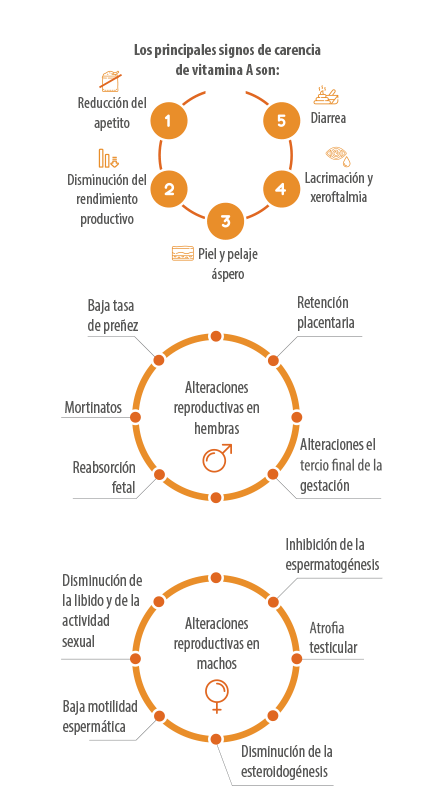
|
With a balanced and health-oriented approach to reproduction, vitamin A has proven to be a valuable resource for strengthening sheep production. |
 In summary, vitamin A plays a fundamental role in the productivity and reproductive health of sheep. Farmers can enhance its benefits through nutritional strategies that ensure optimal levels of this vitamin in the herd.
 You may be interested in: Milking and milk quality in sheep farms: Part I. Cheese extract and cellular and bacteriological count